

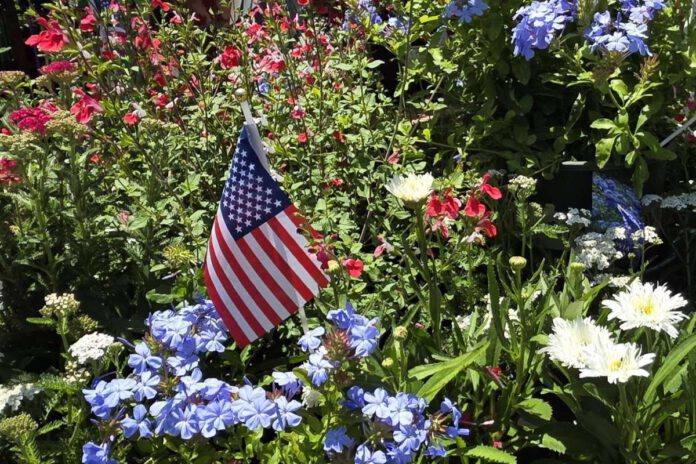
This year marks the 250th anniversary of the United States. Throughout the year, especially around the Fourth of July, there will be a huge array of special edition items and tributes featuring the colors red, white and blue.
Commercial snack food brands are rolling out patriotic limited-edition versions of their donuts, cupcakes, popcorn, candy bars, potato and tortilla chips, and ice creams. All major league baseball teams will be wearing special red, white and blue uniforms or caps around the Fourth of July. Local bars and restaurants will be serving red, white and blue themed drinks and desserts.
Home gardeners can also show their patriotism by planting groups of flowers and other plants that are red, white and blue.
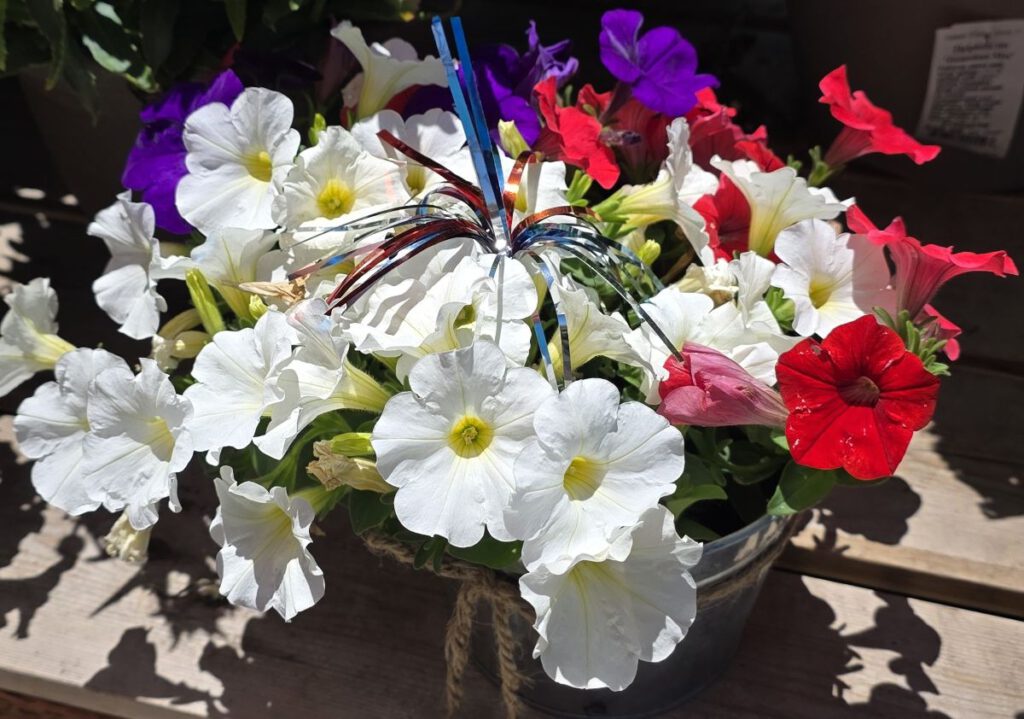
Many home gardeners create a patriotic planting bed or fill pots using plants with the colors of the American flag. These plantings are often designed for spring and summer viewing which includes Memorial Day, July Fourth and Labor Day. Many gardeners across the country are planning for patriotic fall and winter gardens as well this year to celebrate the big anniversary all year. It is not too late to plant a red, white and blue themed garden for this summer, and a good time to start planting one for fall.
Creating a successful and beautiful patriotic garden bed or container is easy if a few design suggestions are followed. The tallest plants should be placed in the center area if viewed from all sides or set along the back edge of a bed or container in front of a fence or wall. Plants with medium heights should be planted next, followed by the shortest plants placed along the edges. The plants should also be spaced according to their mature size so some plants do not crowd out or block the view of others.
Plant groupings often work best in odd numbers which creates visual harmony and mimics nature. Using even numbers of plants can be a great choice for a more formal planting that calls for symmetry. Plants should also belong to the same hydro zone, which is a design practice that groups plants with similar water, light and soil needs. This simple technique makes it easier to be successful because each plant thrives on similar amounts of water and sunlight.
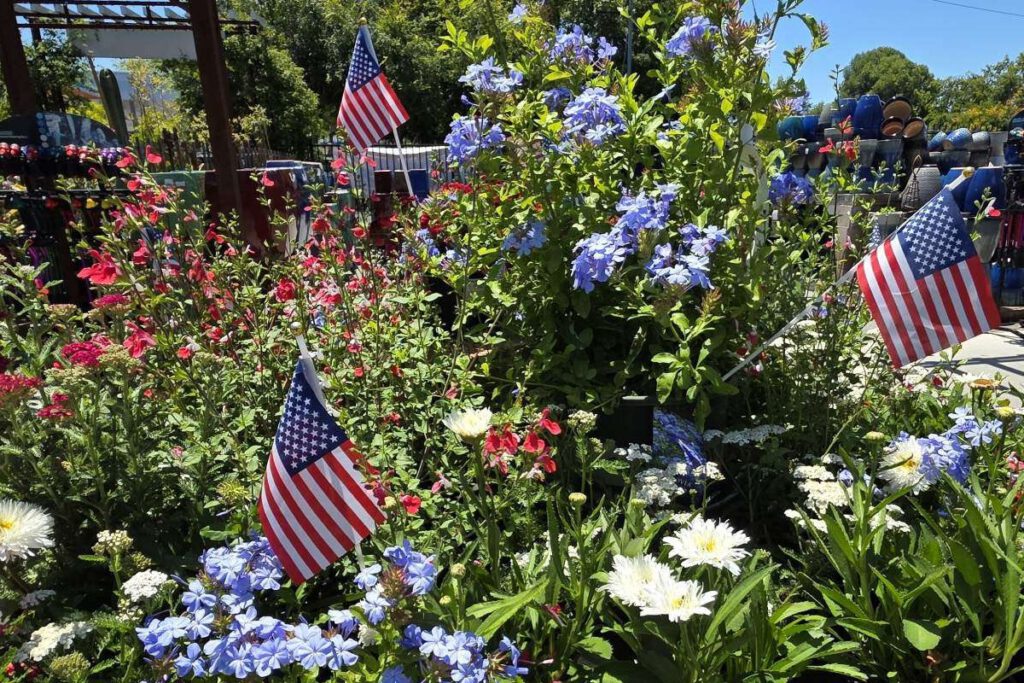
These design elements work in general for any plantings. The choices of red, white and blue candidates narrow the plant palette, but there is still freedom to choose from many options. Below are a few examples of plants that will work well together to create a banner July Fourth planting.
Red plants:
Tall: red Verbena, red Salvia, red Hollyhock.
Medium: red Heuchera, red Celosia, red Yarrow
Low: red Zinnia, red Petunia, red creeping Thyme.
White plants:
Tall: white Salvia, white dwarf Agapanthus, white Butterfly Bush.
Medium: white Yarrow, white Shasta Daisy, white Petunia.
Low: white Alyssum, white creeping Thyme, ornamental white Bacopa.
Blue Plants:
Tall: blue dwarf Butterfly Bush, blue Salvia, blue Delphinium.
Medium: dwarf Plumbago, blue Oat Grass, blue dwarf Agapanthus.
Low: blue Lobelia, Blue Star Creeper, Creeping Phlox.
Home gardeners may want the liberty to express their patriotism at different times throughout this commemorative year and also in the following years. A patriotic succulent garden can provide a red, white and blue tribute to America all year long because the colors come from the foliage instead of the flowers.
Red succulents: red Echeveria, red Kalanchoe, red Crassula.
White Succulents: white Echeveria, white Kalanchoe, white Senecio.
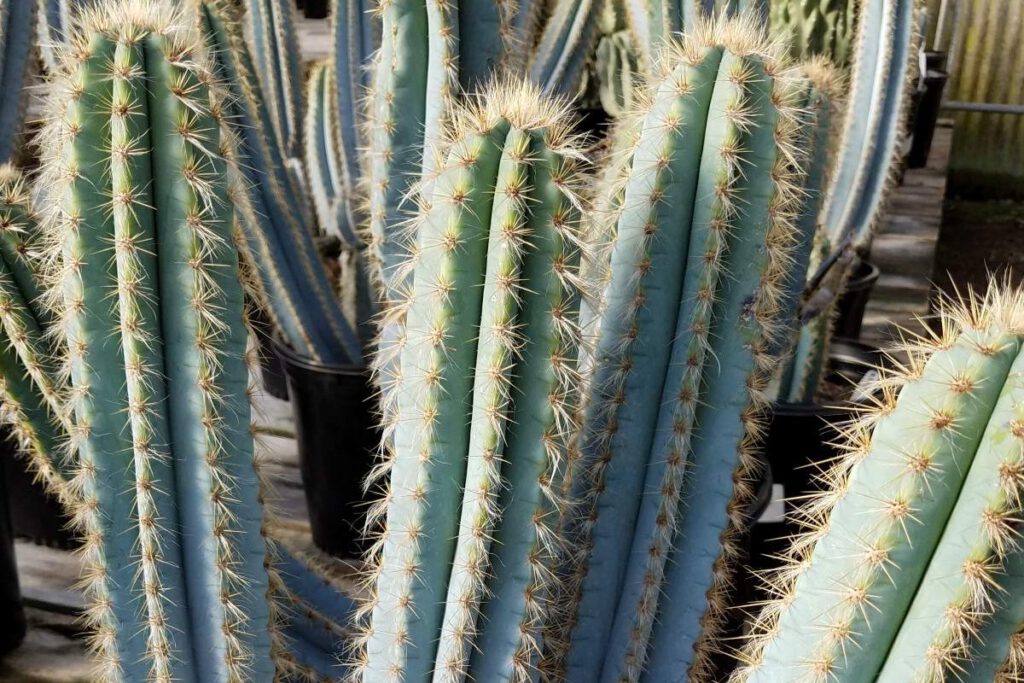
Blue Succulents: blue Echeveria, blue Senecio, Blue Torch Cactus.
Winter can also provide an opportunity to display a stars and stripes tribute. There are three trees that can be planted close together to create a winter salute to America, two from their exposed bark. The Red Osier Dogwood trees have vibrant red stems and branches and the Paper Birch trees have bright white trunks that are unobstructed by foliage in the winter. Add in an evergreen pale blue Hoopsii Colorado Spruce, and you will have a patriotic tribute that may revolutionize your winter garden.
George Washington once said, “Liberty, when it begins to take root, is a plant of rapid growth.” When the plants in a patriotic garden begin to take root, they too will rapidly grow into red, white and blue tributes to America and the liberty we all cherish.
Daniel O’Donnell is the co-owner and operator of an organic landscape design/build company in Fremont. Chrysalis-Gardens.com