

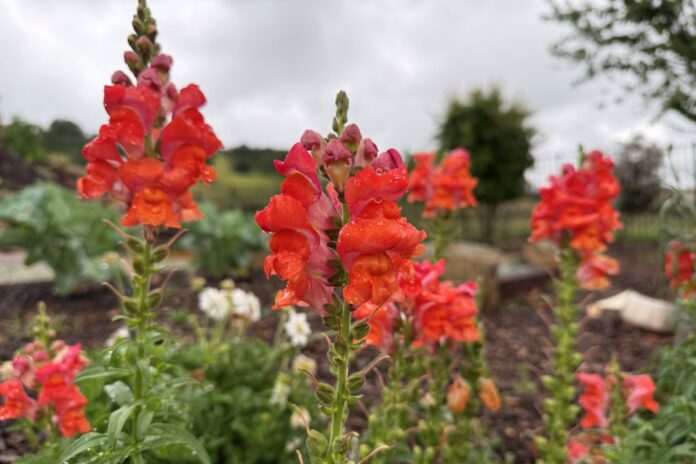
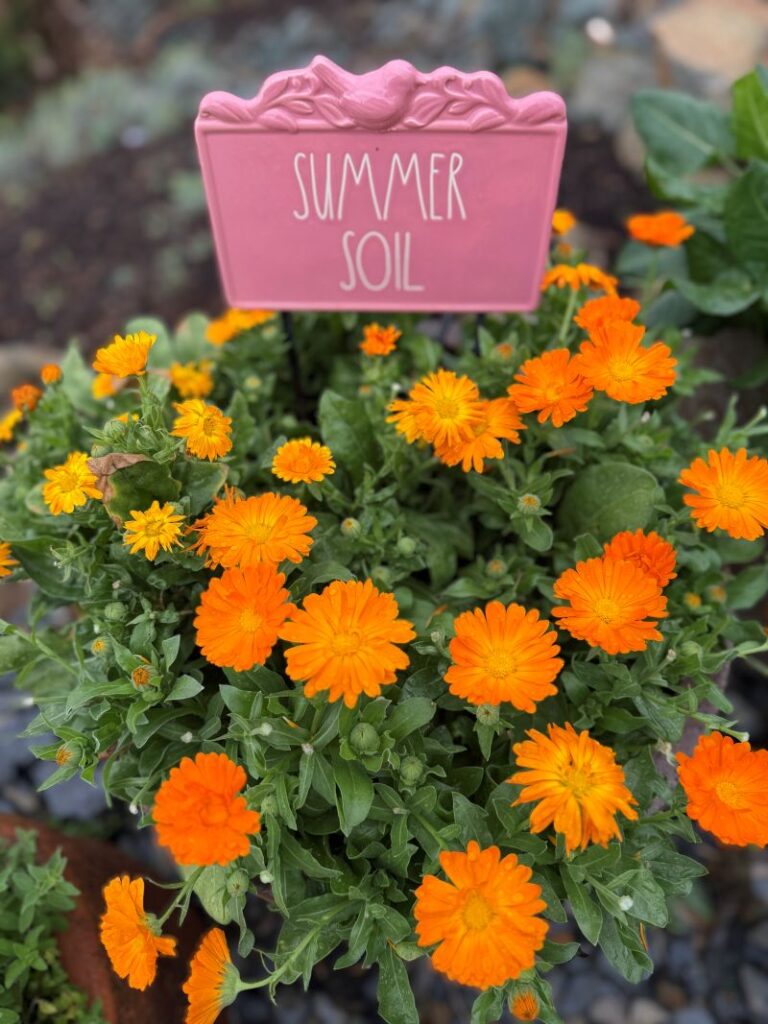
Two of my favorite flowers to plant in spring and fall are calendulas and snapdragons. Their reliable performance in the cool season has made them a permanent addition to my garden. They both make great border plants and can be grown in containers as well. The flat disc-like appearance of calendulas with ray petals creates a striking contrast in the garden when paired with vertical snapdragons.
If left undisturbed, both plants can self-sow, creating an almost perpetual cycle. I have noticed that they do quite well in a variety of soils; even the clay soil in my yard with a bit of compost mixed in during planting has worked well.
Calendula (Calendula officinalis), also known as pot marigold, is low maintenance with a short life cycle and known for its medicinal properties and skincare benefits. Colors range from yellow and apricot to bright orange, adding warm hues to a garden.
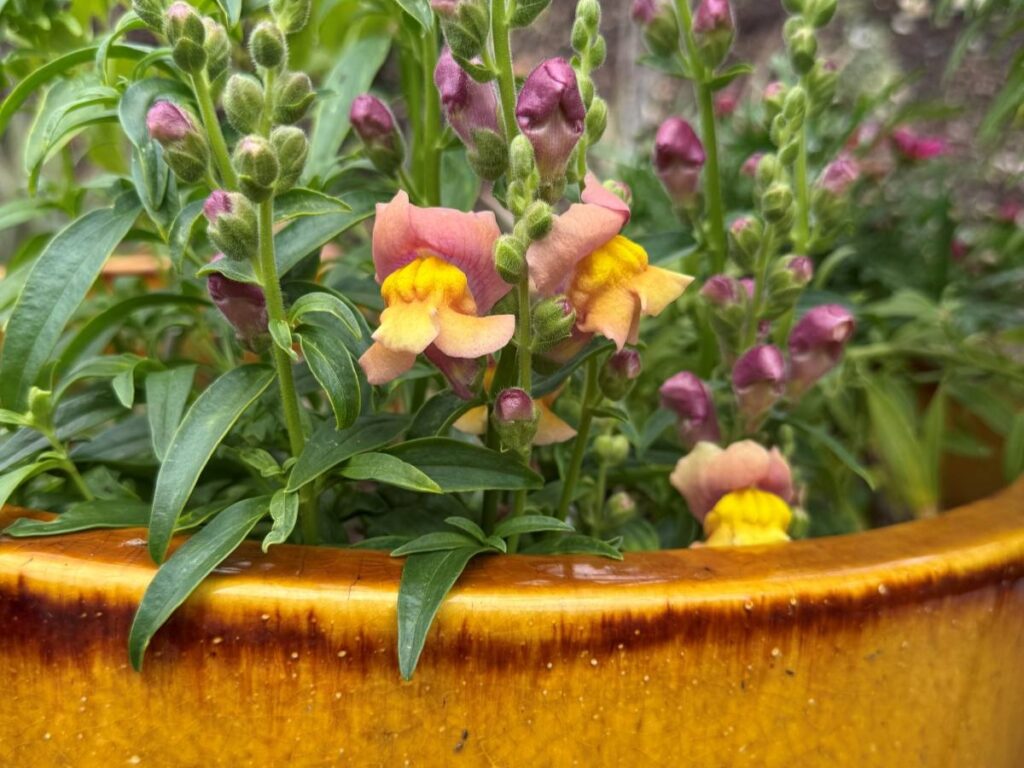
Within snapdragons (Antirrhinum majus), there is a lot of variety in terms of plant height, color and shapes, giving the gardener options to choose from. Snapdragon flowers are classified into three main types. The “traditional” mouth-type are the classic flowers that “snap” open when the sides are squeezed. “Open-face” or butterfly-type have petals that are flattened and flare outward, and “double” or azalea-type have extra layers of ruffled petals for a carnation-like appearance.
Snapdragon varieties are also grouped based on season. Group 1 is ideal for winter or early spring where days are short, sunlight is low and weather is cool. Group 2 snapdragons are tolerant of moderate heat and longer days and best for later winter or spring. Group 3 thrives in the longer days, stronger sunlight and warmer weather typical of spring and summer. Group 4 snapdragons are high light and heat tolerant and perform well in the hottest summer and fall months.
Madhvika Singh
Madhvika Singh
While buying starts from your local nursery is an easy way to plant these flowers, starting from seeds gives you more choices. Between the two flowers, calendulas are easier to work with. The seeds are a manageable size, and they germinate quickly. Snapdragon seeds are tiny, and they take a little longer to germinate and need more light.
When starting from seeds, use a good quality starting mix. Moisten the mix with water and fill up the cell pack. I sow one calendula seed per cell and lightly cover it with the same mix. I then gently push it down, spray water on top and cover the cell pack with either a plastic shower cap or a humidity dome. To give seeds a jump start, I place them on a heating mat. As soon as they germinate, I take them off the mat and move the cell pack to a sunny spot. At two inches tall, they can be planted outside.
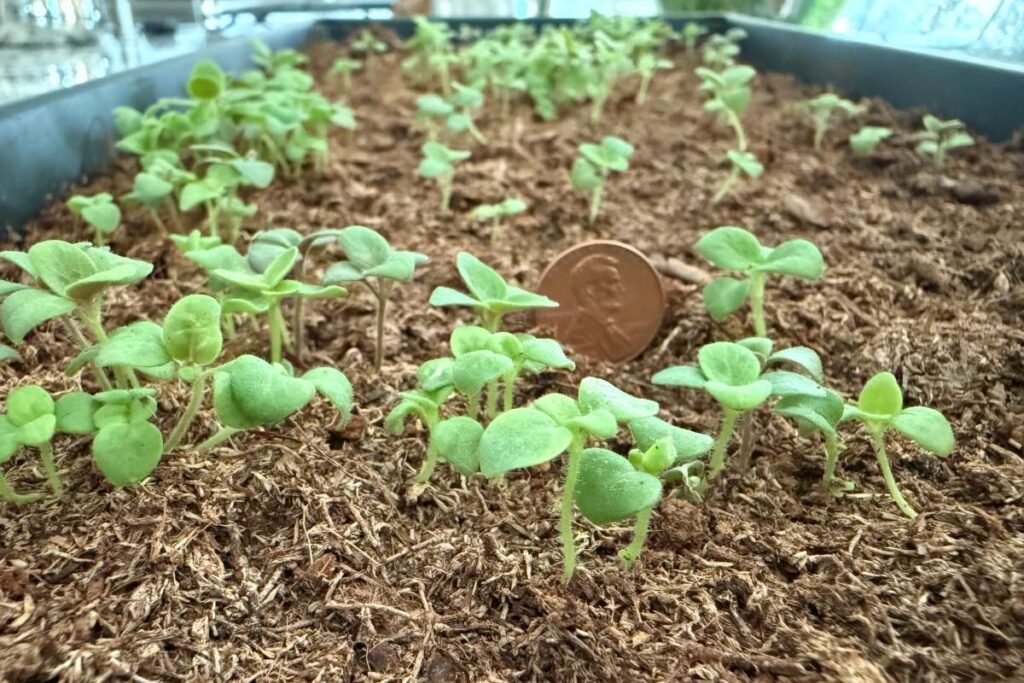
It can be tricky to handle tiny snapdragon seeds. For me, starting the seeds in a flat tray has worked best. I fill up the tray with the moistened starting mix and gently push it down to make it stable and compact. I then sprinkle the snapdragon seeds evenly on the surface and mist with water. I cover the tray with a humidity dome to retain moisture and leave it near a sunny windowsill. The seeds need light to break dormancy and germinate, so one shouldn’t cover them with soil.
Once seeds have germinated, which can take 10 days to two weeks, continue to use the spray bottle for watering as the seedlings are very delicate. As they grow, harden them by gradually increasing outdoor exposure. When seedlings are two inches tall, they can be potted in cell packs, and once they are about four inches tall and have sturdy stems, they can be planted outside.
When planting I like to space the calendulas about six inches apart and snapdragons based on the variety. I plant the taller and wider ones about 12 inches apart and the shorter ones eight inches apart. Install an edging or use stakes to prevent taller snapdragon varieties from flopping over.
When it comes to watering, they do not like to be watered overhead. It not only damages the delicate blooms, but also invites diseases. Drip irrigation is the best way to water these flowers. For continuous flowers, keep removing the spent blooms and prune away any dead stems. Using a liquid fertilizer during the flowering season will also help with the continuous blooms.
Some pests these flowers are prone to are aphids and thrips. Although washing away with a jet of water seems intuitive to get rid of the aphids, I have noticed that it just ends up drowning the plant and damaging the blooms. Instead, I spray the plant with three to four applications of insecticidal soap solution about a week apart, which seems to resolve the issue. The insecticidal soap works for thrips too.
Snapdragons are prone to disease like downy mildew, powdery mildew and black root rot. Powdery mildew can affect calendulas too. A designated fungicide can be applied to tackle the situation and if it appears the plants have been severely compromised by these diseases, I resort to removing them.
For plant health and vigor, I rely more on cultural practices like improving air flow, proper spacing, watering earlier in the day and encouraging diversity in my yard as means of disease prevention. With the right care and balance, calendulas and snapdragons can thrive in a wide range of gardens providing beautiful blooms and biodiversity to our outdoor spaces.