


Drive to Safeway or walk to the corner store? That kind of decision isn’t available to many in the Bay Area, especially in places like Hayward, Union City and Fremont.
People visit foreign countries and luxuriate in walkable cities, but return to a place where they’re illegal. In April, the City of Hayward considered a plan to make the city more walkable with Accessory Commercial Units (ACUs).
Imagine Accessory Dwelling Units (ADUs) but with a business instead of an apartment. A small business attached to a home may feel strange today, but it was a common sight until around 100 years ago. And while Hayward ultimately rejected the idea, other cities could adopt it to change neighborhoods and lives for the better.
Old idea made new
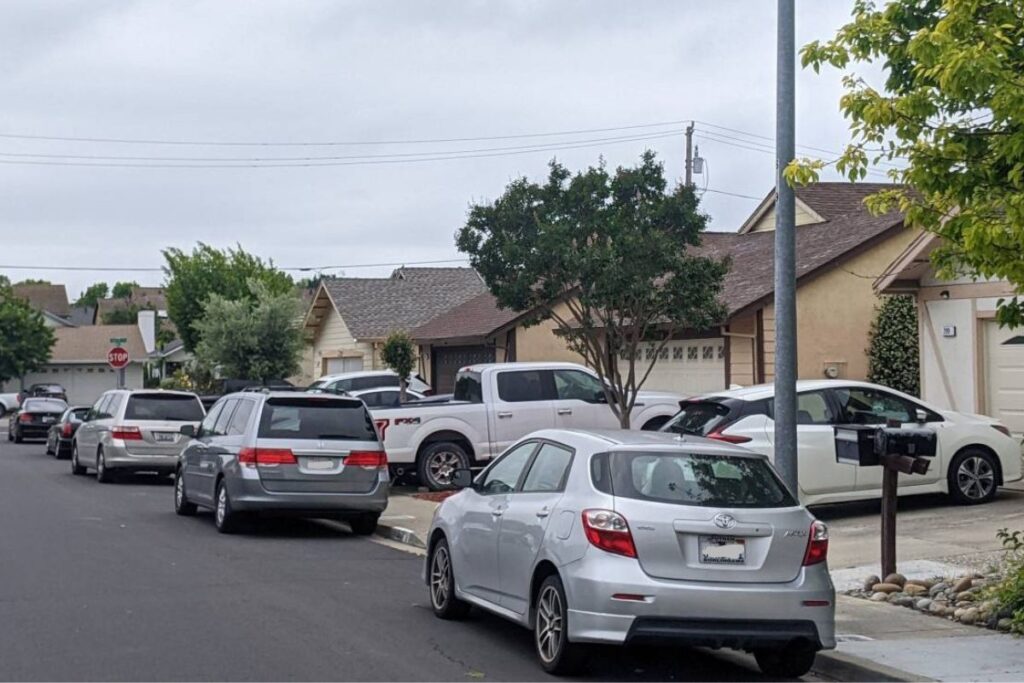
Having businesses scattered in residential communities was normal before single-use zoning started becoming common in the late 1920s. The widespread adoption of cars has ensured that single-family zoning is now more common in the United States than any other country—it takes up 93% of residential land according to a 2024 UC Berkeley study, and 82% in the Bay Area.
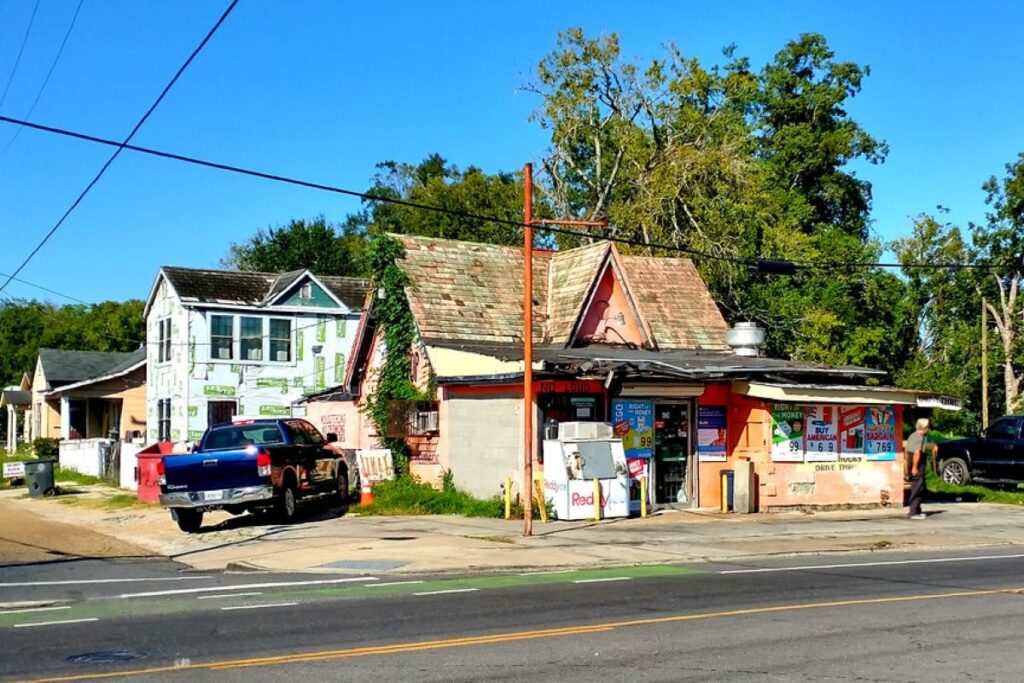
Older cities like San Francisco often have corner stores, coffee shops or even restaurants in residential neighborhoods. And while this is illegal in places like Hayward and Fremont, small changes could benefit the city, business owners and local residents in big ways.
Startup culture for everyone
Commercial rent in the Bay Area is worse than residential rent. LoopNet estimates average retail rent in Hayward to be $32/square foot, while an apartment is around $4/square foot. And beyond rent, many commercial spaces require upgrades and changes that add value to the landlord at the tenant’s expense. Starting a brick-and-mortar business is very expensive, pricing out lower-income entrepreneurs.
But cities like Pomona, Los Angeles and Portland have allowed ACUs in residential neighborhoods and find that it specifically meets the needs of immigrant residents.
According to the authors of Accessory Commercial Units, Bobby Boone and Max Pastore, “Many immigrant households already value space that can flex between residential and productive uses, and there is strong entrepreneurial energy aimed at hyperlocal personal services such as hair salons, tutoring, tailoring, childcare and food preparation.”
Community needs
Many people agree that walkable cities are better, but how we get there can be a point of contention. Rather than tearing down single family homes for mixed-use development, ACUs can allow mixed-use development to happen in existing neighborhoods. Converting a garage or adding a small building on the lawn can keep a residential feel while still providing goods and services to neighbors without requiring a drive.
Something as simple as a corner store or coffee shop can serve as a local gathering place and increase a sense of community. At least one fewer car will be needed, as the homeowner will be able to walk to work. And fewer cars will be on the road as neighbors are able to walk to amenities nearby instead of driving to a strip mall. This idea is already popular among some residents.
When the Hayward City Council rejected an ACU policy, they worried about enforcement while also recognizing it’s already happening. Hayward City Council members alleged that some residents are running restaurants, repair shops or other businesses out of their garages, despite not being allowed to. Legalizing ACUs could let the city support entrepreneurs, collect tax revenue and create amenities in under-served communities.
Gradual change for the better
Change is often scary, and it can be easy to speculate on potential problems instead of possible benefits. Mayor Mark Salinas framed ACUs as a burden on underserved neighborhoods, despite the potential benefits. But in many communities, running a small business from the home is an ideal that existing regulations stand in the way of.
Allowing people to start their own cottage industry and serve their neighbors could create more tightly knit communities, take cars off the road and improve property values without damaging neighborhood character. The Hayward City Council pushed off considering ACUs until next year. But maybe other cities will give it a try.
Suburbia can feel liminal, but maybe a few garage businesses can make it feel like somewhere special.