

Wildfire season is underway, with multiple fires already happening in Southern California. The Cal Fire website says Northern California fire activity can increase to above normal from now through July.
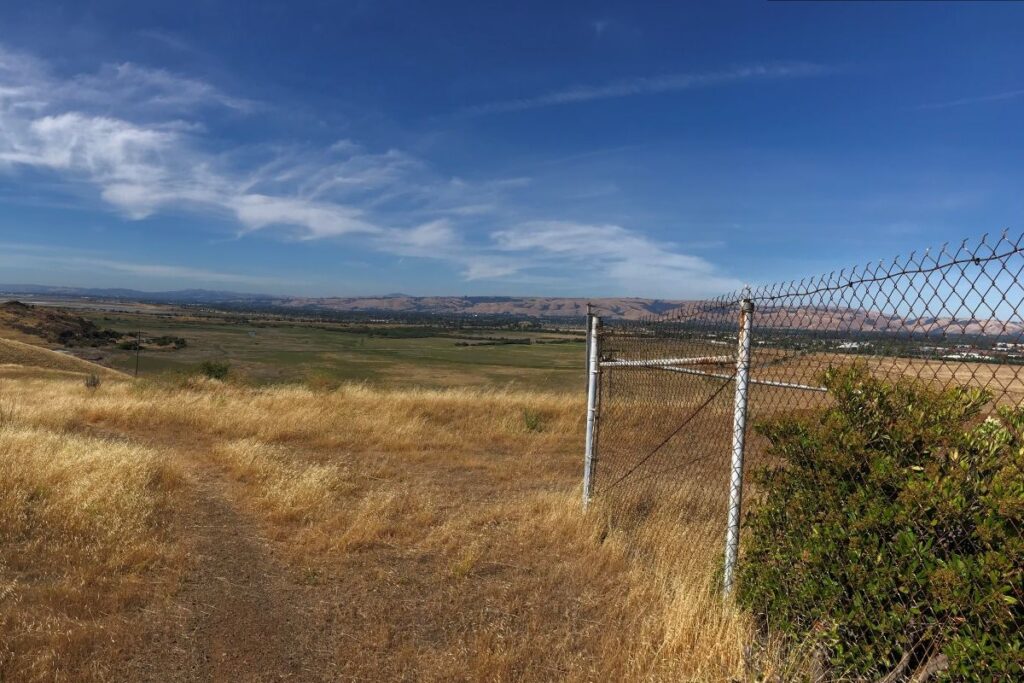
East Bay Regional Parks District (EBRPD) hosted a webinar on May 27 to update the community on what they’ve been doing to prevent wildfires. The district is the largest park agency in the nation, with over 73 parks, 55 miles of shoreline and over 1,300 miles of trails. Well-known parks in the Tri-City area include Coyote Hills, Ardenwood Historic Farm, Garin Park and Vargas Plateau.
EBRPD acting general manager Max Korten said the district is creating a defense against wildfires for the benefit of the environment. “What we’re really focusing on is the long-term resilience of these parks,” he said through a Zoom webstream of the event. “We know that with climate change, summers are getting hotter, droughts are getting longer and so the more work we can do to set the parks up to be resilient, that’s really important for us.”
The district has various programs that actively work to prevent wildfires, including their fire department’s fuels management program. This includes prescribed fires and thinning of trees.
“We know that with climate change, summers are getting hotter, droughts are getting longer and so the more work we can do to set the parks up to be resilient, that’s really important for us.”
– EBRPD acting general manager Max Korten
Assistant Fire Chief Khari Helae said fuels management involves a six-feet rule, where trees and grass are kept at this length or shorter to make future firefighting more effective. “When we’re responding to wildfires on our engines, our engines can do initial attacks on flame lengths that are less than six-feet tall,” he said. “We don’t have enough water in our hoses to mitigate fires that are larger than that. And so it allows us to give firefighters a fighting chance when a fire does occur.”
Fuels reduction coordinator Givonne Law talked about the various ways the district manages vegetation and fire-causing fuels. She said the first line of treatment is the manual removal of vegetation. This can involve mowing, brushing, pruning, using chainsaws and shovels.
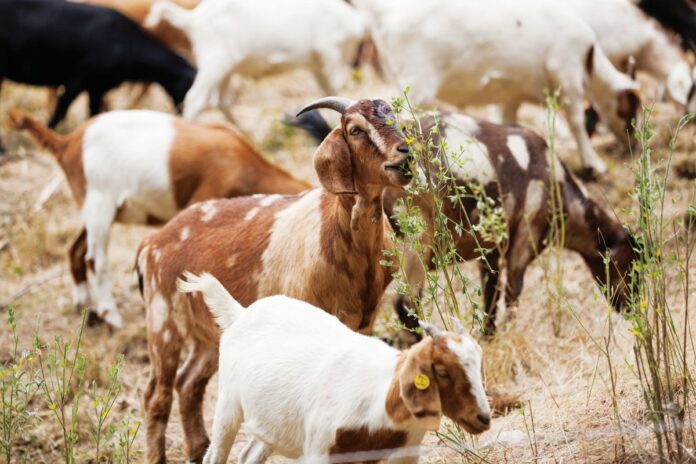
Another way is through grazing, when sheep, goats and cattle eat grass and vegetation. “Mini grasslands in our state, and in our area, evolved with significant herbivore presence and herbivore pressure,” Law said. “And that kept the grasslands as grasslands.”
District ecologist Kristen Van Dam said there are environmental benefits to grazing. “Our grazing program covers 85,000 acres of our parklands, and we thoughtfully applied cow grazing to maintain biodiversity, as well as to reduce wildfire risk,” she said. The district’s fire prevention efforts in the Fremont area include grazing, mowing and roadside clearance.
Law said targeted herbicide treatment is used in a selective way to prevent aggressive growth after using other treatment methods. Another way is restoration ecological management, which involves planting and selective removal of plants and species management.
As the district continues firefighting prevention efforts, they also remind the community of what they can do.
Helae talked about Smokey the Bear signs that are posted near park entrances with warnings of extreme or high fire risk. The signs are part of the district’s fire operating plan. He said remote automated weather stations update the district about fire danger. The district then informs people about the fire risk and the things they can do to prevent fire accidents. Things to avoid include smoking, driving off road, and barbecuing with coals instead of gas-fueled or electric stoves and grills.
Another thing residents can do is create a defensible space around their home. This means creating a buffer zone that can stop the spread of wildfire. Local ordinances can provide guidelines for creating this space. This can include trimming branches; keeping garbage and recycling containers at least five feet away from the home; clearing dead plants, grass and weeds; and placing patio furniture away from trees.