

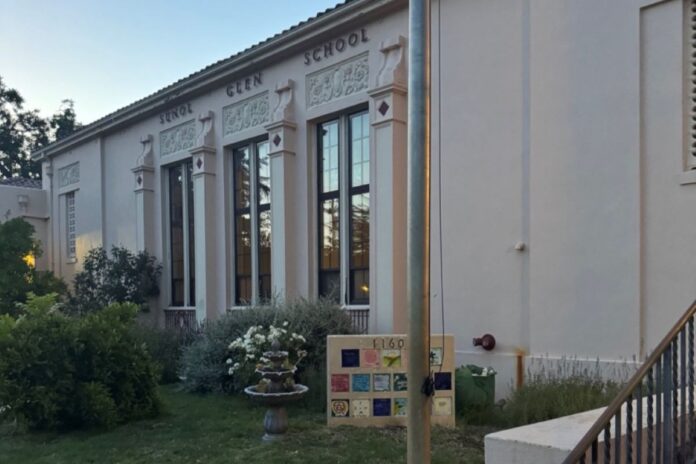
Sunol Glen Unified School District is looking to pass a third bond measure that would upgrade school facilities. A town hall took place at the Sunol Glen Library on May 18. About 30 people attended the event.
The main message of the town hall was that school facilities are deteriorating and upgrades need to be done soon to avoid further damage. The historical main building of the school was built in 1925. The panel showed pictures of “antique” HVAC units, building damage, and outdated door closers and light switches.
The panel consisted of school board member Erin Choin, Superintendent Shay Galletti, bond consultant Bill Savidge and district finance officer Jon Isom. The school district is pushing for a General Obligation School Improvement Bond called Measure J for this November’s election. They plan to pass a resolution to call for an election in June. It’s the same type of bond that passed in 2022. Residents who live within the boundaries of a school district pay for the bond through property taxes.
What’s triggering the proposed bond measure is the rise in construction costs after some evaluation. About half a million dollars from the 2022 bond was spent on inspections, including a flood study, structural evaluation of the historical main building, hiring an architect, a historical evaluation, and a plan to keep up with building codes and seismic upgrades.
Photos by Roelle Balan
Photos by Roelle Balan
Photos by Roelle Balan
Savidge said they don’t have enough money to finish main building upgrades. Unfinished projects include window and door replacements, and classroom modernization. Long-term upgrades include wall finishes, landscaping and exterior painting. Isom said $2.8 million is needed to finish main building renovations.
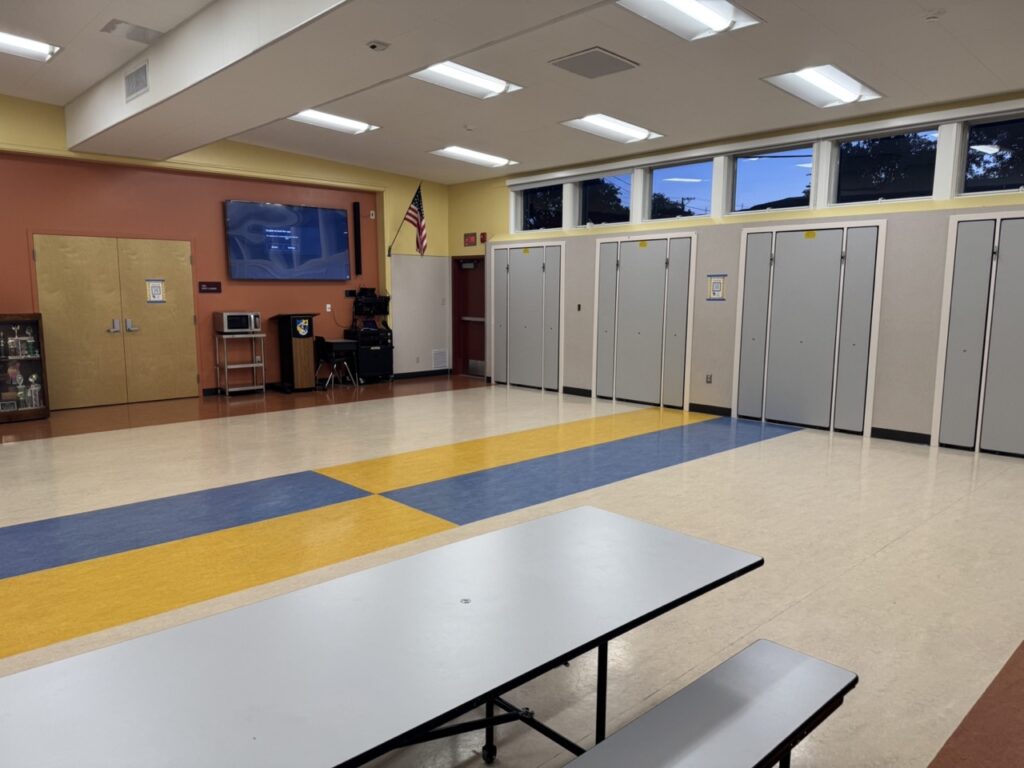
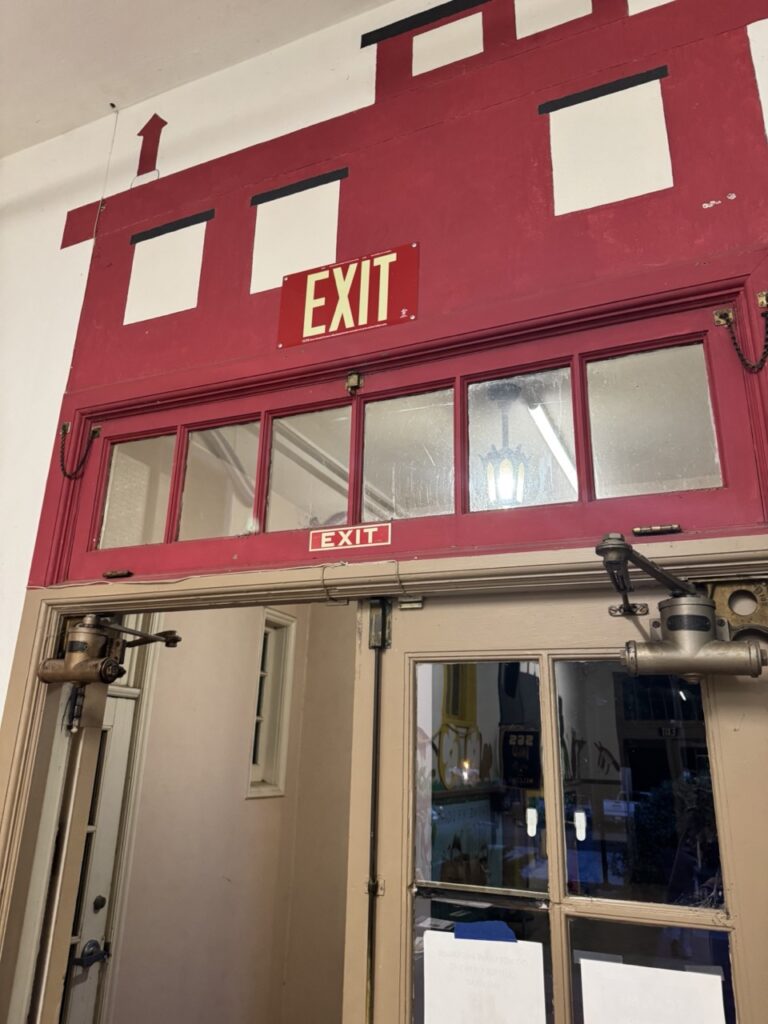
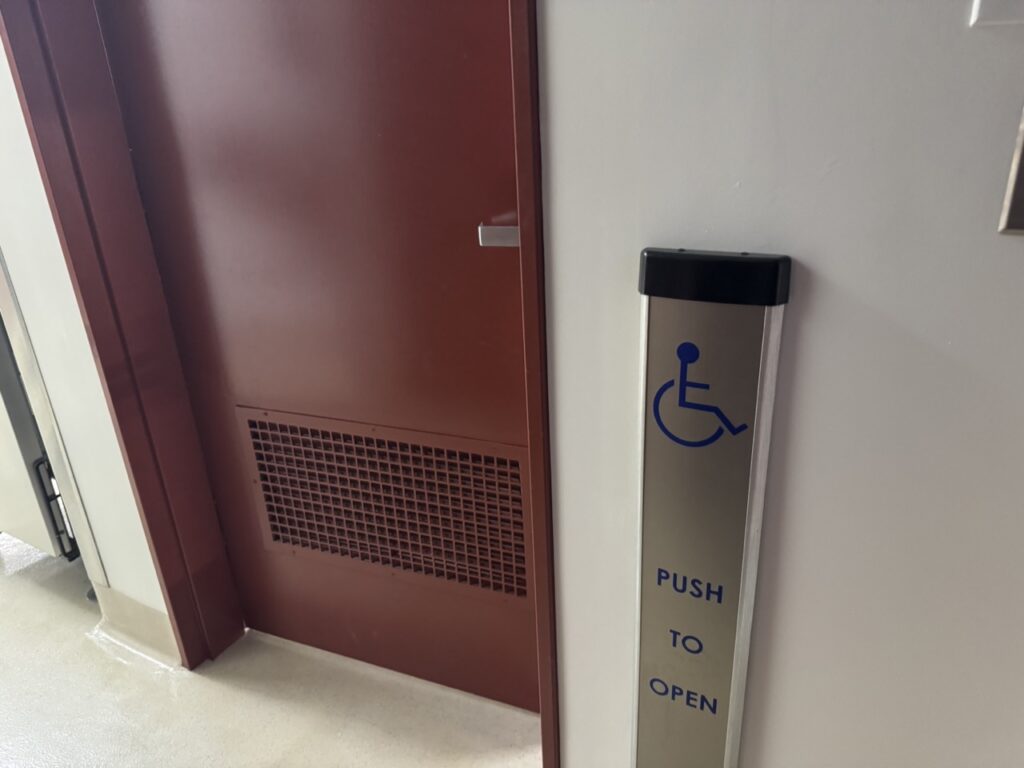
Staff said the 2022 bond funds were spent on multipurpose room/cafeteria upgrades, including a new roof, new ADA accessible bathroom, panic doors, thermostat heat and highlighted exit signs.
Choin addressed the increasing construction costs. “So where we stand [now] is that we have the information that we wish we had in the past,” said Choin. “Until we actually did the work and got all the numbers, anybody could say anything they wanted, and anyone could be right or wrong, until the facts came through. And the facts are, these are the numbers it’s going to take to get our building up to code.”
Residents asked questions through the town hall. Some asked why out-of-town school district families couldn’t pay the taxes, whether the district had an option to not be a unified district and other funding options.
Choin said families have the obligation to pay taxes at their school districts. “So the families who bring their students here are paying for students in their own districts, and then bringing their students here,” she said. “What it comes down to is every community becomes a flotation to support whatever students are being educated in that community, whether they’re your students, per se, or your family’s students, or there’s somebody out of district who’s come in there.”
Isom said being an elementary or unified school district does not make a difference property tax-wise.
He also said that there aren’t many options when it comes to funding school facilities.
“In the state of California, the rules of the game is, if you want major capital improvement investment, you do a local property tax,” said Isom. ”So when you look at the options that exist, there’s not a lot.”