

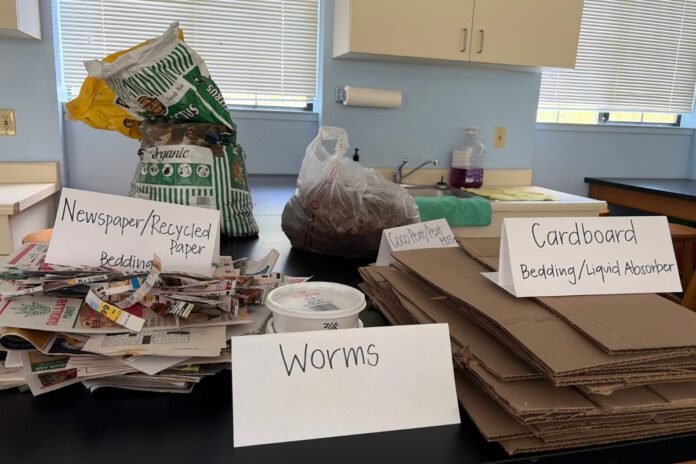
The Math/Science Nucleus is opening a vermicomposting program to promote environmental waste reduction this fall.
Founded in 1982, the Math/Science Nucleus (MSN) is a nonprofit organization that promotes hands-on scientific learning and educational visits for students in the Fremont Unified School District and Alameda County.
“A lot of kids don’t get materials that allow them to compare and contrast like a scientist,” said Joyce Blueford, board president of MSN. “So we do a lot to help kids’ critical thinking. We’re looking for scientists. We need scientists in this country.”
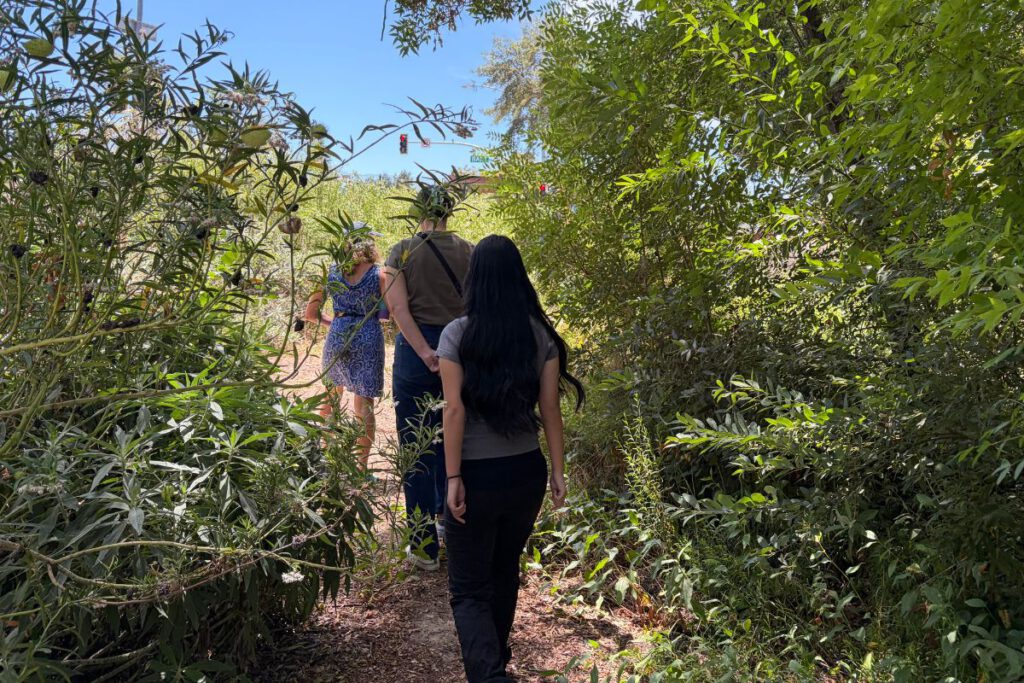
The new vermicomposting—or worm composting—program, located at the Tule Ponds at Tyson Lagoon, will offer free workshops where participants can learn how to create and nurture their own composting bins. The program will also publish an animated children’s storybook about the worm life cycle and its ecological role, which will be available on the MSN website.
According to Californians Against Waste, an environmental advocacy group, compostable organic material makes up 41%, or 12.5 million tons, of waste sent to California landfills yearly.
“It effectively reduces the amount of compostable waste in the waste stream that’s going to the landfills,” said Zoe Caron, a soil scientist and artist at Math/Science Nucleus. “And [we’re] not spending fossil fuel to go transport it somewhere to break it down.”
Caron said worm composting uses red wiggler worms to eat and digest biodegradable materials, such as fruit scraps and coffee grounds, turning the leftover worm castings into nutrient-rich soil tools.
She also said she and the Math/Science Nucleus team secured a grant from the Altamont Settlement that will sustain the vermicomposting program for the next two years, aiming to provide students, families and teachers with free environmental education.
“It’s designed to make worm composting accessible to a variety of people,” she said.
In addition to teaching environmental conservation, Blueford said the program provides volunteer opportunities for high school students looking to do community service projects.
“We want to give opportunities to senior volunteers,” she said. “If anybody wants to be involved as a teacher or an instructor, that would be great.”
The workshops, set to start the first week of November, are designed to educate both children and adults, Caron said.
“If you bring your kids, they can enjoy playing with worms while you learn interesting facts about their lifestyles and biology,” she said. “So it has a little bit of something for everyone.”
Caron said she hopes to get participants from any level of composting experience excited about a niche topic.
“Soil doesn’t really have a face,” she said. “It’s not a charismatic thing or a large, beautiful plant like a tree, so I’d like to get them engaged with soil as a macro-organism and reduce the waste we’re creating in the environment.”
Saturdays, 1–3pm, starting November
Tule Ponds at Tyson Lagoon
1999 Walnut Ave., Fremont
510.790.6284
msnucleus.org