

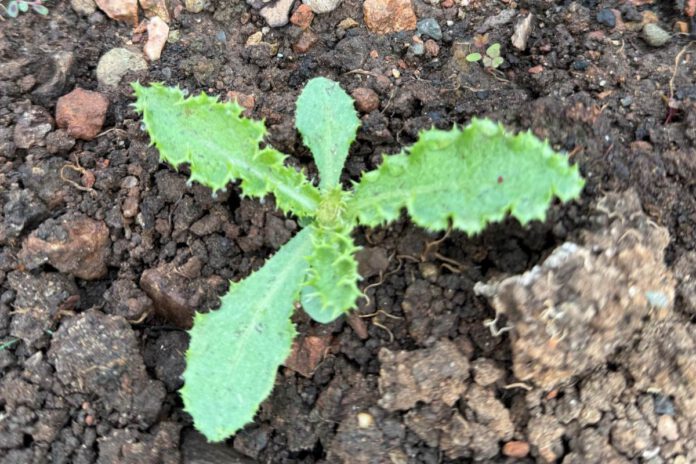
We love our gardens for the natural beauty they offer, the produce we harvest, the birds and bees they attract, and the calming space they provide. At the same time, weeds present a tricky challenge.
Weeds are plants too, but not the ones we want in our yards, even if they might be edible or otherwise useful. They show up by themselves in garden beds, in between plants, between pavement and pretty much anywhere there is an opportunity.
Weeds are generally abundant, as they grow quickly, produce enormous amounts of seeds, and tolerate a wide range of conditions. Their survival instinct is inspiring. Some of them spread not only via seeds, but also through stems and extensive underground root systems, making them hard to eliminate. They are frustrating to deal with, and tackling them requires planning, persistence and consistency. They compete for water and nutrients, make it harder to harvest produce and can host pests that cause damage to desirable plants.
On the other hand, not every weed is harmful or poisonous. They are part of the ecosystem, help protect bare soil from erosion, contribute organic matter when they decompose and provide food or habitats for insects and wildlife.
Weeds vary considerably depending on soil, climate and location. Learning to recognize common weeds in your area and their characteristics can make management much easier because different plants respond differently to removal methods.
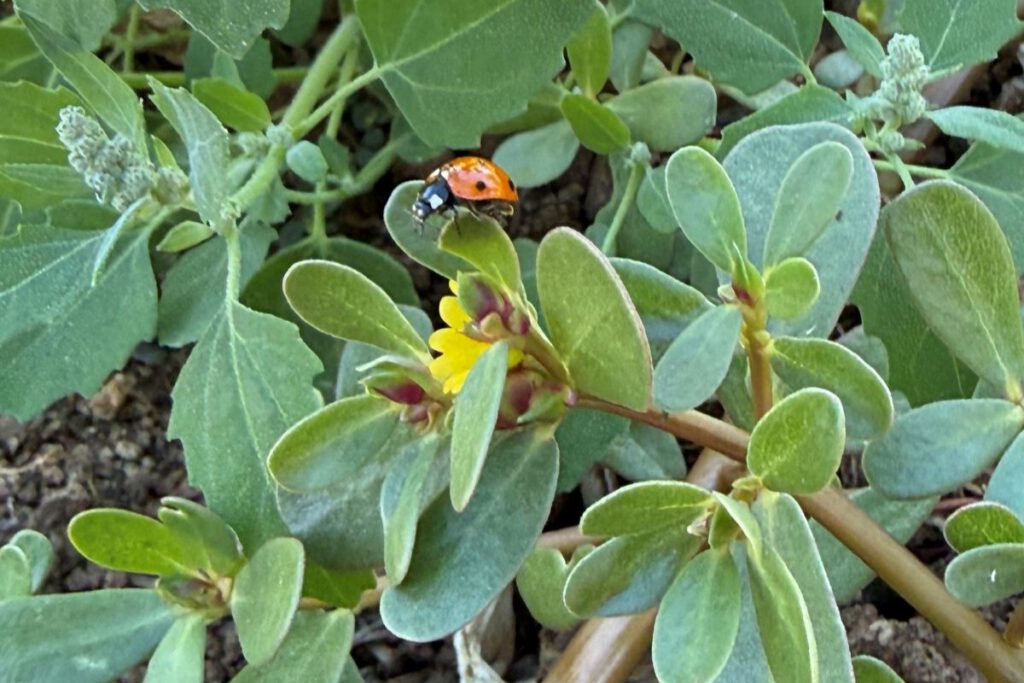
Some weeds grow upright and are easy to spot, while others spread along the ground. Weeds can also be classified based on their lifespan. Annual weeds are those that complete their lifecycle—germination, flowering, seed setting and dying—within a single year. They spread primarily through seeds. Some examples are purslane and crabgrass.
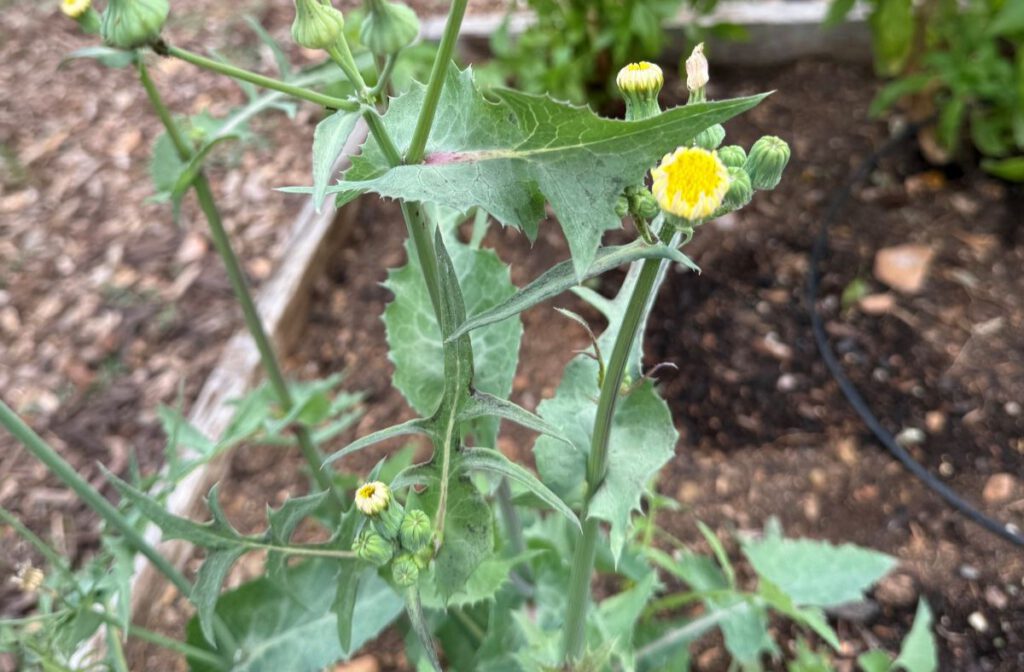
Biennial weeds usually live for two years—seeds germinate and grow without flowering in the first year, and the plant dies in the second year after flowering. Some examples are Queen Anne’s lace (wild carrot), evening primrose and common mullein.
Perennial weeds live for many years and do not die after flowering. They store food over the winter in specialized underground storage organs and reemerge in the spring. Dandelion and field bindweed are some examples.
Successful weed management is less about eliminating every unwanted plant and more about keeping weeds below the level at which they cause significant problems.
Manual control
One way to manage weeds is to remove them while they are young. Small weeds generally have smaller root systems and are easier to pull or hoe from loose soil. Weed while the soil is moist; as soil dries out, it tightens its grip on roots. Timing is particularly important for weeds that produce large quantities of seed. Allowing mature weeds to flower and set seed can create problems for future seasons.
A few minutes spent removing young weeds can therefore save considerable work later. When pulling by hand, try to remove as much of the root system as possible, especially with perennial weeds that can regenerate from pieces of root left in the soil. For weeds like dandelion or thistle that are difficult to pull, use a pruner to cut them down, irrigate and then dig up the roots.
Crowding out weeds
One can also discourage weeds by planting densely, which minimizes exposed soil. Planting garden beds densely enough to provide desirable ground cover and shading out the soil can reduce the amount of open space available for unwanted plants but still keep enough space for air circulation. In vegetable gardens, thoughtful spacing and succession planting can achieve the same effect. I sprinkle flower seeds in the beds that I don’t intend to use immediately instead of leaving them barren.
Mulching
Covering open areas with mulch, cardboard or shredded leaves helps block light and makes it more difficult for new weeds to establish. Avoid piling mulch directly against plant stems or tree trunks, where excessive moisture can contribute to stem rotting and pest issues. Also, try not to disturb soil unless necessary. Dormant seeds get brought to the surface and germinate after as they get exposed to air and light.
Chemical Control
Herbicides (weed killers) are chemicals designed to control undesirable plants. Nonselective herbicides will kill most plants they come in contact with, while selective herbicides’ impact is limited to some types of plants. Pre-emergent herbicides control the germination of weed seeds, and post-emergent ones control growing weeds.
Consider using a weed killer only as a last resort as it can damage desirable plants if applied incorrectly. Some products can pose risks to people, pets, wildlife or the environment.
If one must resort to chemical methods, it is better to start with the least toxic. Before using any herbicide, read and follow the product label carefully. Only use products appropriate for the intended location and problem, and pay particular attention to instructions concerning application, protective equipment and weather conditions.
While dealing with weeds is quite troublesome, it is one of those inevitable aspects of having a garden. But they do not have to take over. Early removal, thoughtful planting, mulching and regular observation can dramatically reduce the time and effort required to manage them, allowing us to enjoy our much-loved gardens.