

The renowned tradition of toasting in Ireland began centuries ago in Celtic communities when drinks were shared during social and religious gatherings. Today there are countless traditional toasts which make simple but meaningful points. Walk into almost any Irish pub and you are likely to hear “Sláinte” which translates to “good health.”
A toast you probably will not hear is “May the enemies of Ireland never eat bread nor drink whiskey, but be tormented with itching without the benefit of scratching.” If you have never had any traditional Irish bread, you cannot truly know how devastating this toasty threat could be.
Breads have long been a staple in Ireland. Rustic oatcakes and ash-baked flatbreads made from foraged seeds and grains were the earliest breads made by ancient Irish Celts. Different leavened breads were made through the centuries using the yeast from fermented oats, sour potato juice or foam skimmed from the top of fermenting beer.
It was not until 1845 to 1852, during the Great Famine, that Irish soda bread became a staple of the Irish diet when potato crops failed and yeast was scarce.
Irish soda bread uses baking soda as a leavening agent instead of yeast. When baking soda is combined with an acidic liquid such as yogurt, honey, lemon juice or buttermilk it creates a chemical reaction. When flour, salt, buttermilk and baking soda are mixed together to form a thick batter, an immediate release of carbon dioxide begins, which will cause the dough to expand.
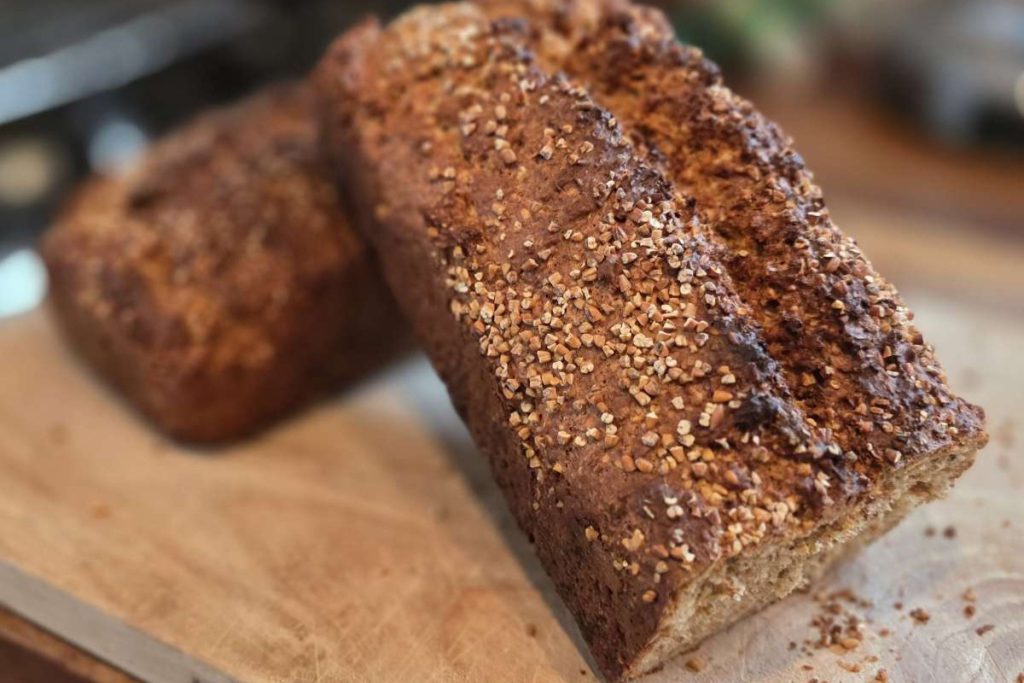
Soda bread became an accessible staple during times of famine and economic hardships because of the simplicity of the recipe, the availability of ingredients, and because the dough could be easily baked in cast-iron pots over embers in a hearth.
Irish soda bread is not limited to only four key ingredients. Different counties and even smaller regions within a county might have recipes that incorporate varying ingredients. Some regional recipes do not add any sweeteners, while others use sugar, honey or molasses. Some local recipes add chopped walnuts while others include pistachios. Some regional recipes may use rosemary, thyme, parsley or sage. Oats, cheese, bacon, caraway seeds, dried fruits and Guiness are all other possible ingredients.
Listed below are two soda breads and five other traditional Irish breads:
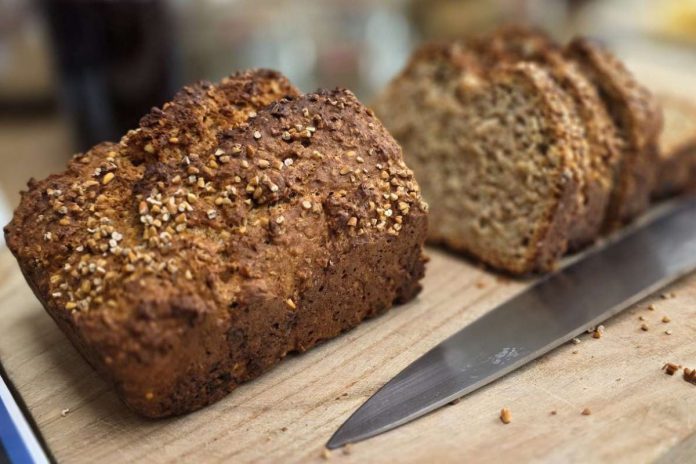
Brown soda bread or wheaten bread is the quintessential Irish bread. It uses an Irish style whole wheat flour made from the entire wheat berry. It is coarsely ground with visible bran flakes which gives the bread a distinctive nutty taste and dense crumb interior. The crust is crunchy with a deep caramel color.
Spotted Dog is a version of white soda bread that contains currants, raisins, egg and sugar. It is close to what is commonly sold in the US as Irish soda bread. The Irish version is less sweet than the American version. It has different names in different parts of the country: Railway cake, Sweet Soda Bread and Fly Soda Bread.
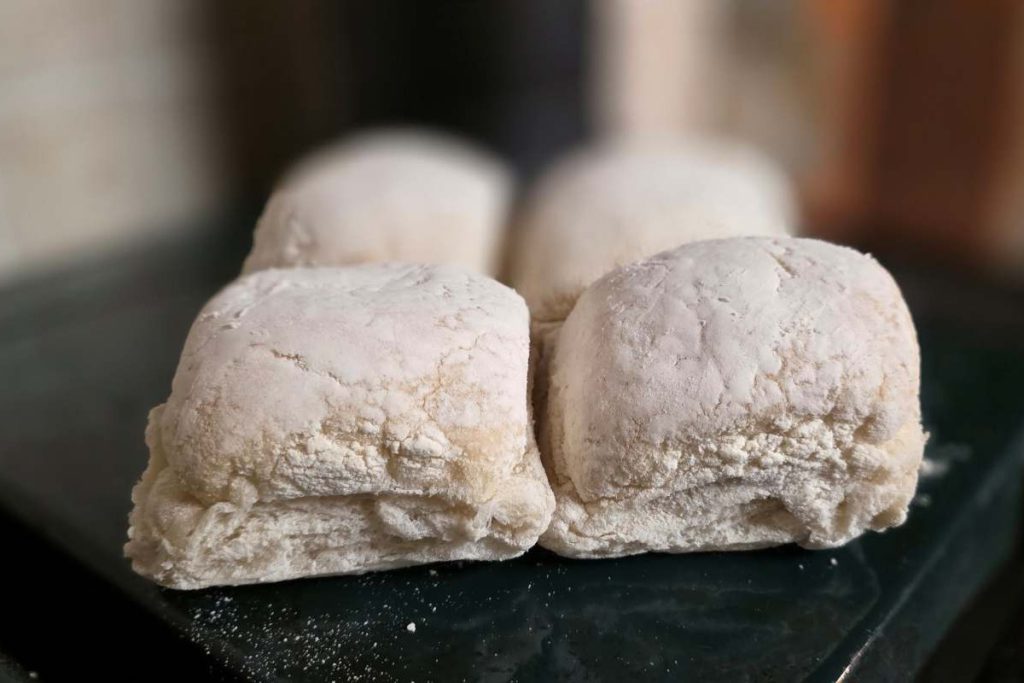
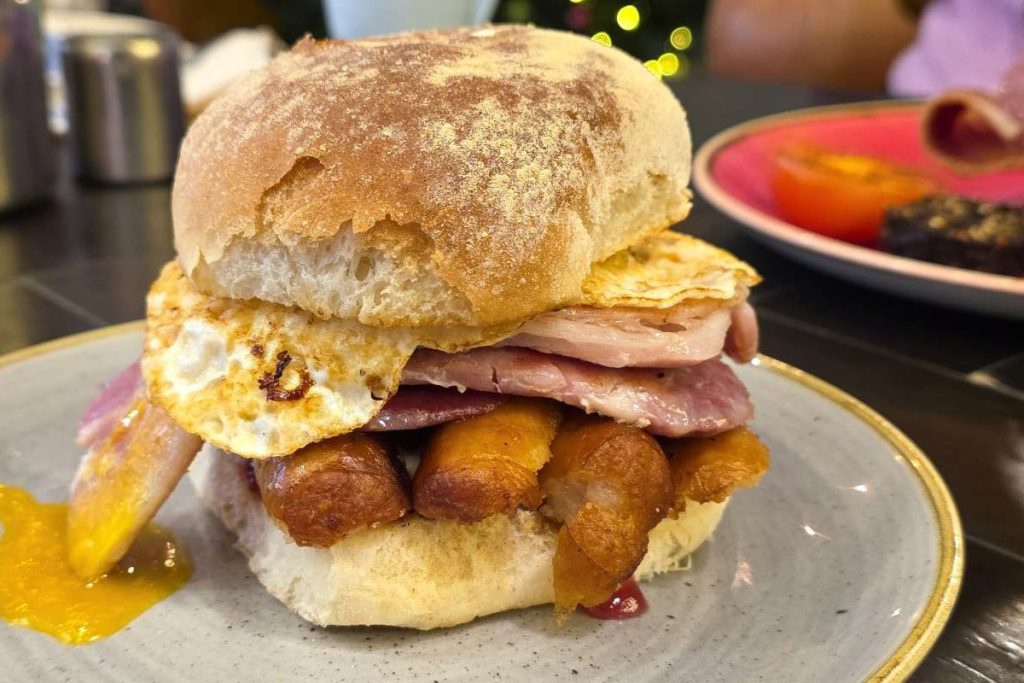
A Waterford Blaa is a protected culinary specialty from County Waterford, Ireland. Up to 12,000 fresh blaas are eaten daily in the town of Waterford alone. It is a soft, lightly textured, doughy white yeast roll with a flour-dusted top. It is eaten in the morning as a breakfast sandwich with sausage, bacon and egg, or with butter. A ham and cheese blaa is a popular lunch sandwich.
The Belfast Bap is a traditional Irish white yeast roll from Belfast, Northern Ireland. It has a crunchy, almost burnt crust with a soft airy interior. It was created during the Great Famine by a philanthropist, Barney Huges, to provide an affordable food source. Later it became a staple for the working class. It is estimated that tens of thousands of baps are consumed daily throughout Belfast and the surrounding areas.
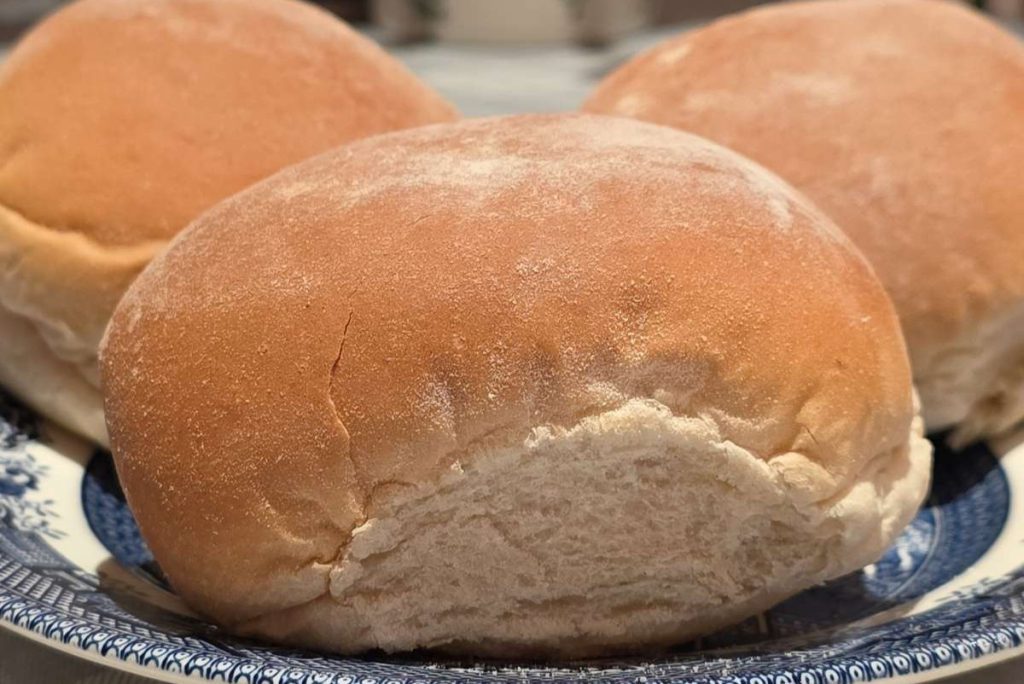
The Derry Bap is a regional version of the Belfast bap. Derry baps are generally much smaller, have a softer and more floury crust, and a moister and fluffier interior. They might not have the same name recognition as the Belfast bap throughout Northern Ireland, but they hold the same cultural significance.
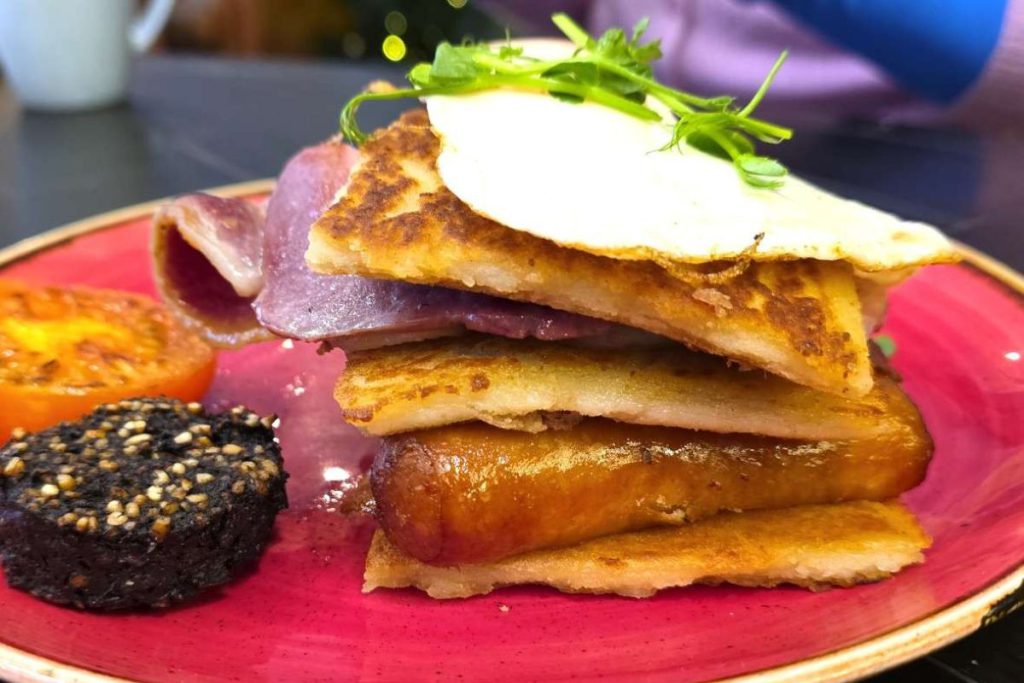
Potato Farls, also called potato bread or potato cakes, are thin flatbreads traditionally made from left-over mashed potatoes, flour and butter. The dough is flattened and fried to create a crispy exterior while the interior is soft and dense. The circles of dough are typically cut into quarters forming triangular sections. This inspired the name farl which literally means fourths in Irish.
Photos by Daniel O’Donnell
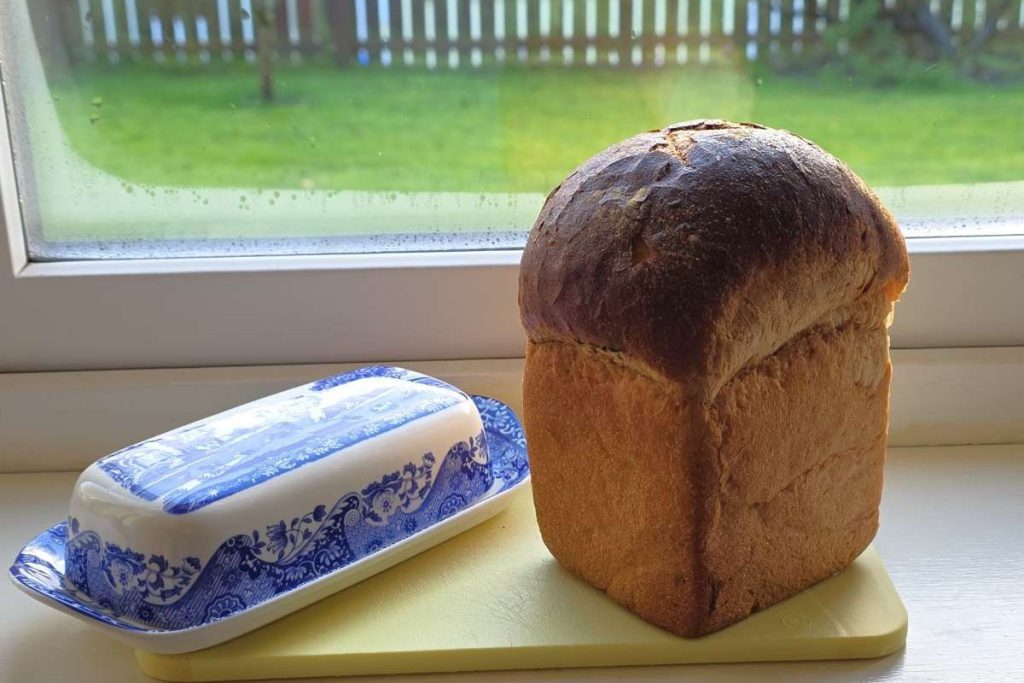
Batch is a tall, soft yeast white bread with a crunchy crust. It gets its name from being baked in batches of two or four one-pound loaves that are separated after baking. It is a versatile bread used for sandwiches, toast or dipping into soups.
There are no Irish toasts pointing out how lucky Ireland is to have these breads. However, if you make a slice of toast from any type of traditional Irish bread, you will not need a toast for good fortune, you will already have found it.
Daniel O’Donnell is the co-owner and operator of an organic landscape design/build company in Fremont. Chrysalis-Gardens.com