

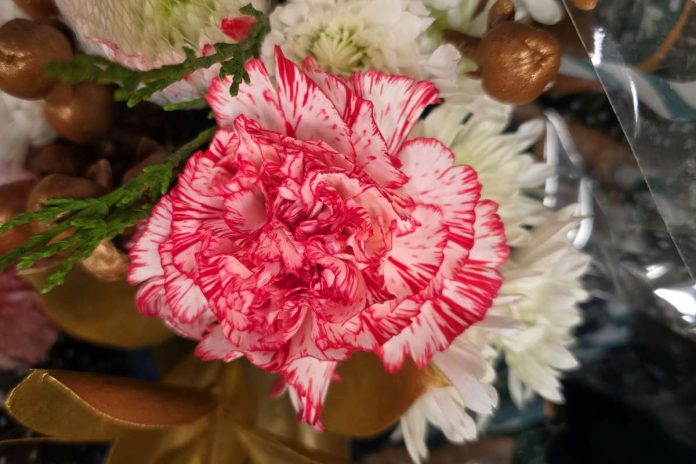
Candy cane and peppermint are two popular seasonal flavors that show up in an array of foods and beverages. Coffee shops promote candy cane lattes and peppermint mochas. Bakeries offer candy cane cookies and peppermint bark, and many restaurants create holiday cocktails using candy cane syrup and/or peppermint liqueurs.
These two festive descriptions are not just limited to food items; people (gardeners in particular) can also enjoy flowers with candy cane and peppermint in their names.
It’s obvious why candy cane might be used in a red and white flower’s name. Using peppermint to describe a red and white flower is less obvious, as peppermint is a flavor! Peppermint is a hybrid of water mint and spearmint, and is thought to have originated somewhere in Europe or the Middle East.
Peppermint was used throughout ancient Egypt, Greece and Rome as a digestif and for other internal medicinal purposes. It was used to freshen breath, flavor food and wine, as a component in scented oils, and in lotions. It was also worn on clothing or used in palaces to create a pleasant aroma.
It would not be until the 19th century that peppermint would be associated with Christmas and other winter holidays. The candy cane had yet to be invented.
A choirmaster in Cologne, Germany, commissioned a local confectioner to make a hard candy around 1670. He was looking for a way to keep his young singers and choirboys quiet during live Nativity performances. He thought a long-lasting hard candy would keep them busy. The candy invented was a white sugar stick. The choirmaster bent the top of the stick to look like a shepherd’s cane which carried strong religious symbolism.
It is thought that the first candy canes in the US debuted in Wooster, Ohio, in 1847. A German-Swedish immigrant decorated a spruce tree with paper ornaments and white candy canes. Candy canes remained white until the early 1900s when peppermint flavor and red stripes were added, solidifying peppermint’s place in holiday traditions.
The red and white colors of a candy cane and the association of peppermint flavor have inspired the naming of many red and white flowers. Below are seven to get hooked on.
Candy Cane Oxalis produces funnel-shaped red and white striped flowers that sit on thin stalks above dark green clover-shaped leaves. The flowers open in the sunlight and roll up as the light fades. Some of them curl at the top when closed and are even more reminiscent of candy canes.
Candy Cane Cocktail Rose is a floribunda rose bush. It produces large white flowers with deep pink to red edges that resemble candy canes. Although the flowers do not smell like peppermint, they have a sweet intoxicating fragrance.
Candy Cane Zinnia is an annual flower that blooms all summer. It produces numerous four-and-a-half inch flowers with white or yellow petals that have bright red and sometimes orange stripes. The patterning, even with non-traditional colors, conjures thoughts of candy canes.
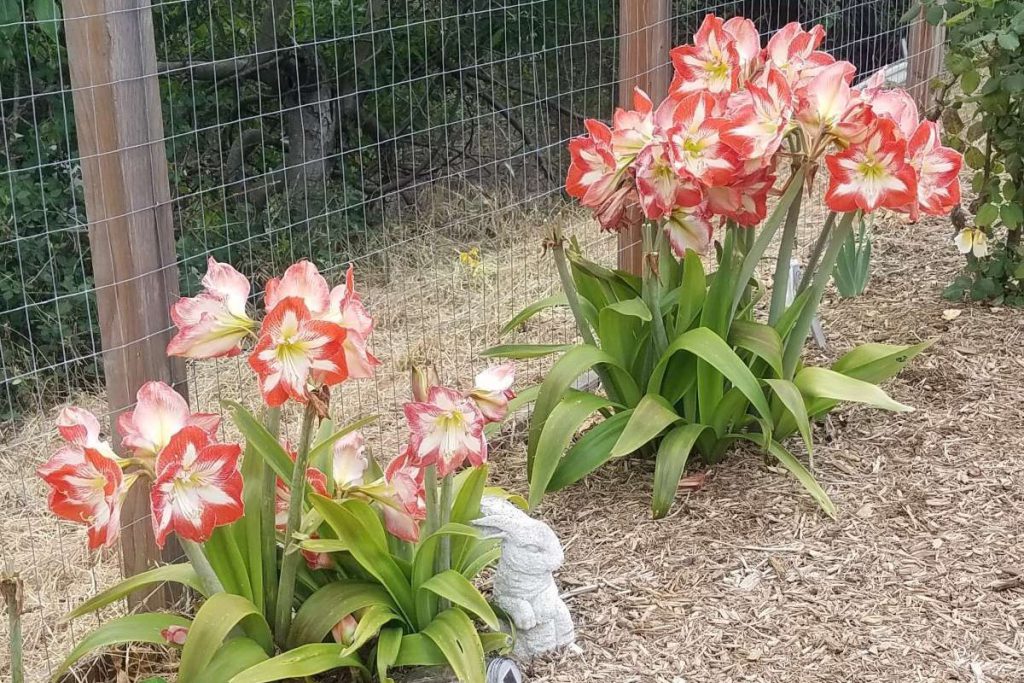
Candy Cane Amaryllis is a large winter-blooming bulb. A single plant can produce up to three tall stems which can each support three large red and white flowers. It offers another holiday centerpiece option or companion to the red Amaryllis flower more commonly seen during the holiday season.
La Peppermint Camellia is an attractive evergreen shrub with glossy dark green leaves. It blooms from November through February. The numerous rose-form flowers are white with red splashes or stripes, half white and half red, or all red.
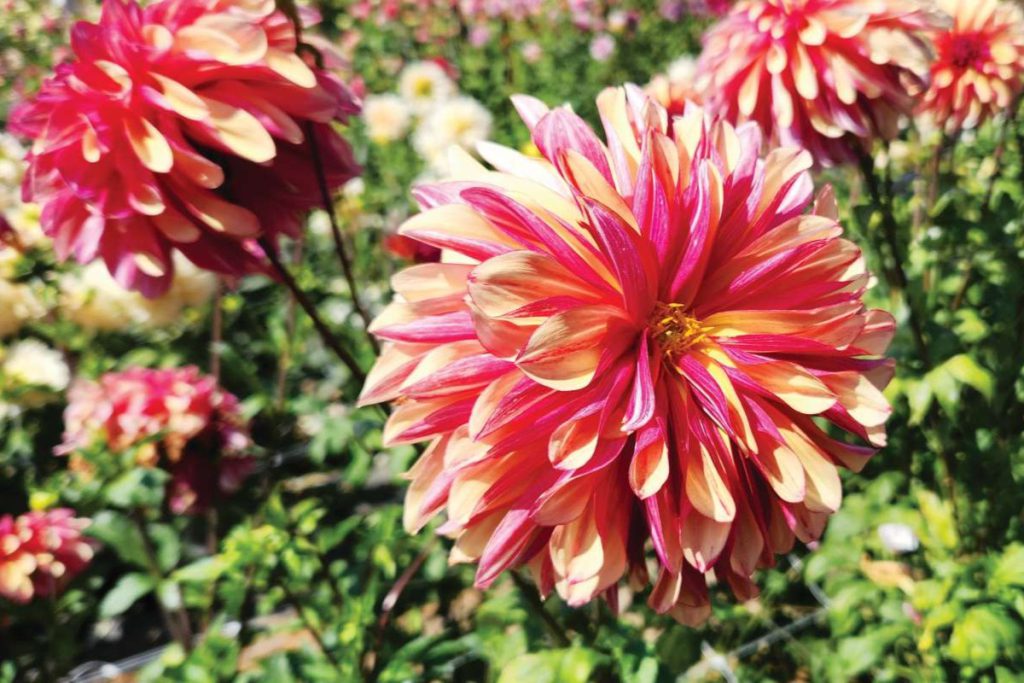
Peppermint Swirl Dahlia is a stunning annual plant that can grow to four feet tall and produce multiple blooms throughout the summer and into the fall. These flowers have white/yellow petals painted with crimson red streaks.
Peppermint Verbena, also called Firehouse Peppermint Verbena, is an attractive mounding plant. It produces multiple clusters of white star-shaped flowers with vibrant red stripes. The plant first blooms in spring and will produce fancy clusters all the way into fall.
Planting flowers named after candy canes and peppermint is yet another way to enjoy the spirit of the holiday season. Even if the flowers do not bloom in December, they will remind you that the festive winter holidays are always just around the corner.
Daniel O’Donnell is the co-owner and operator of an organic landscape design/build company in Fremont. Chrysalis-Gardens.com