

For neurodivergent individuals (including people who may fall on the autism spectrum), everyday life can consist of a plethora of social, educational and economic challenges.
For one local champion of inclusion, the path to bridging the gap begins with a space for this community to call their own.
Born in Oakland into a Mexican-American and bilingual household, Hayward local Adrianna Moreno attended San Jose State University where she studied psychology, special education and behavioral health. Her work with neurodivergent people led her to create the Inclusive Therapies Pediatric Center in 2015.
In the years that followed, Moreno’s work not only benefited the neurodivergent community at large but brought awareness to the often-ignored plight of Latine (Latino/Hispanic) and BIPOC (Black Indigenous People of Color) people on the spectrum.
“Through that work, I saw how often young people—particularly BIPOC—had talent, curiosity and drive but lacked spaces that truly welcomed them, reflected their identities or nurtured their ideas beyond traditional systems,” says Moreno.
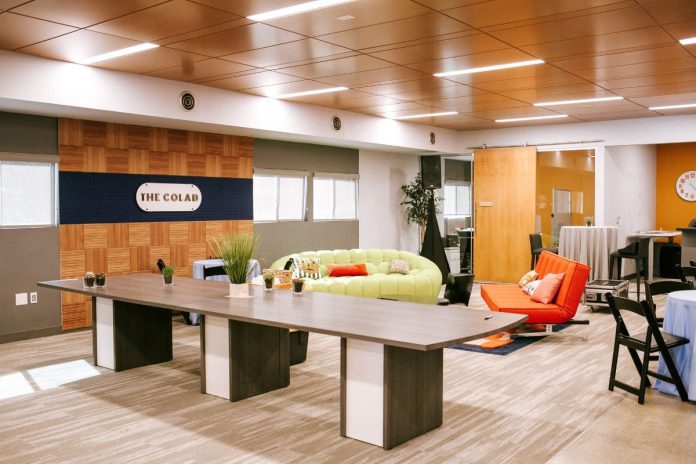
This need for an inclusive space along both neurodivergent and racial lines prompted the launch of The CoLab, Moreno’s newest resource center, in the Hayward/Castro Valley area in 2025. The CoLab offers youth ages 13+ a wide array of resources including access to mentors, a “Maker’s Lab” where members can create unique contraptions, workshops, support groups and classes.
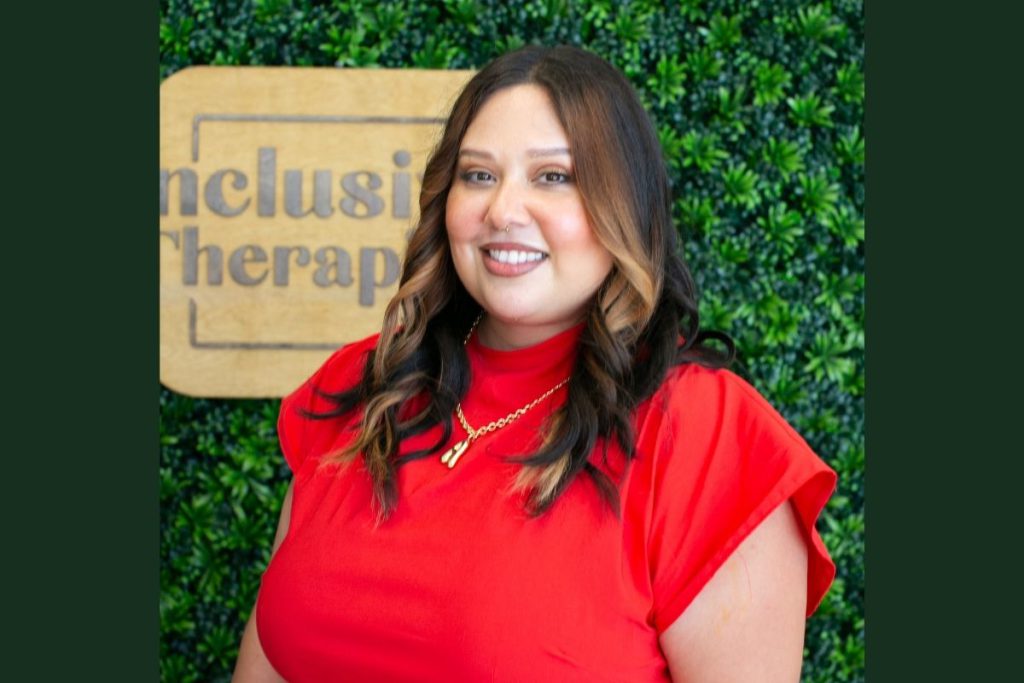
“The CoLab is a living, breathing creativity space for people to express themselves in a safe and inclusive environment,” adds Moreno.
As media programs such as the popular Netflix series Love on the Spectrum have shown, the mere act of making friends, flirting and developing romantic relationships often eludes the neurodivergent community. The CoLab has worked to address this struggle by providing sex education workshops to those who seek them.
“While it’s not often discussed, people on the spectrum want to have relationships just like anyone else,” says Moreno. “That kind of empowerment builds confidence, agency and community pride.”
That pride is especially important in the wake of a wave of derogatory and ableist sentiment stemming from medical misinformation such as the supposed link between pain medication and autism as suggested by United States Secretary of Health Robert F. Kennedy, Jr. in late-2025.
“We’re living in a time where Black, brown and neurodiverse people feel targeted for their differences,” says Moreno. “It’s all the more reason why these communities need a voice, a vision and a space where innovation and belonging are not luxuries—they’re norms.”
Since its founding, The CoLab has serviced around 20 individuals in the East Bay, and for Moreno the concept of success is seeing young people gain confidence, discover leadership skills and to see themselves as creators rather than consumers.
“Looking ahead, the vision is to strengthen partnerships, expand programming and to explore thoughtful expansion into other communities that share similar needs,” says Moreno. “Any growth will remain aligned with our core values of accessibility, inclusion and local empowerment.”