

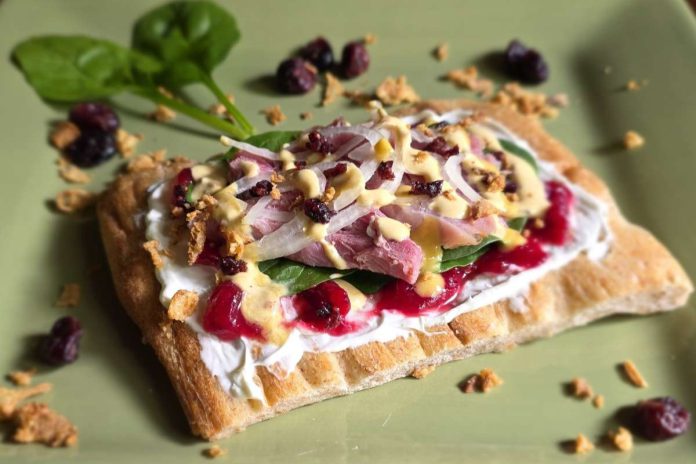
The most popular condiment in the U.S. based on sales volume is mayonnaise. It was invented by a French chef in Spain in the 1750s. The first recipe for tomato ketchup, often called the “King of Condiments,” was published in 1812. These condiments are popular during both summer and winter meals or in sandwiches made with holiday leftovers.
Surveys show that mustard, which has been used as a condiment for thousands of years, is not as popular as those other condiments. However, the ‘King of Condiments’ and mayonnaise could be dethroned briefly by mustards that incorporate winter flavors.
References to the use of mustard seeds are found in ancient Indian, Egyptian and Sumerian texts dating back to as early as 3,000 BCE. The Ancient Romans are thought to be the first people to have created a version of the mustard widely used today. It consisted of ground mustard seeds, honey, vinegar, spices and unfermented grape must, which is the juice and skins of freshly crushed grapes.
These ingredients were mixed into a spreadable paste called mustum ardens, which translates roughly as burning must. It would evolve into the English word mustard. Today, mustard is used worldwide.
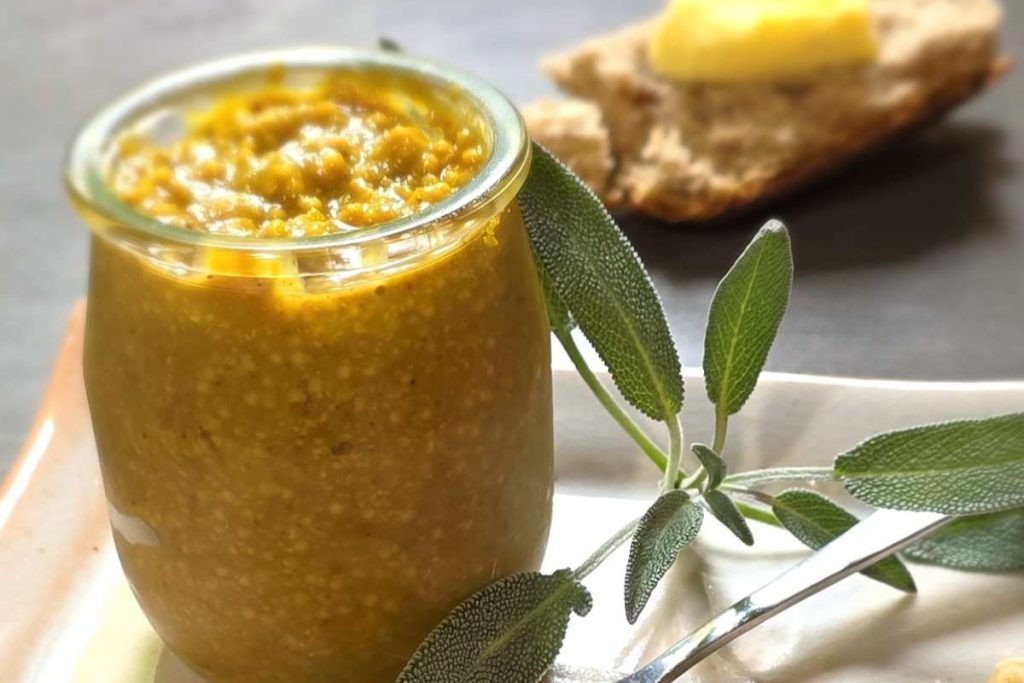
Mustards are made from three of the over 40 varieties of mustard seeds. White or yellow mustard seeds are used to make the mild bright yellow mustard most Americans are familiar with. Brown mustard seeds become more aromatic as they age and are spicier than white mustard seeds. They are used to make deli mustard, classic Chinese mustard and Dijon. Black mustard seeds have a pungent flavor. They are more closely related to wasabi and horseradish, and are especially hot.
None of the mustard seeds listed above reveal the flavors they impart to a mustard until they are ground and/or mixed with liquid. This allows two chemical compounds to react with each other, creating the pungent flavor and spicy sensation in a mustard.
Unlike some condiments such as soy sauce, Worcestershire sauce and horseradish sauce, which have had limited new flavor profiles, mustard has had numerous flavorsome evolutions.
Century-old styles include spicy mustards, honey mustards and vinegar-based mustards. More contemporary mustards use beer, horseradish, wasabi, dill pickle and bacon. There are numerous smoked pepper, onion, garlic or paprika mustards. There is a wide variety of herb-flavored mustards including tarragon, dill and rosemary, as well as fruit-infused flavors such as blueberry, fig and passion fruit.
Below are five mustards that incorporate seasonal winter flavors. The first two involve making mustard from scratch, while the other three recipes use purchased mustards. All capture the essence of winter flavors.
Maple mustard
1/4 cup maple syrup
1 tablespoon all-purpose flour
1 tablespoon cornstarch
3/4 cup plus 3 tablespoons water, divided
1/2 cup white vinegar
1 teaspoon whole allspice
2 teaspoons ground mustard
1 teaspoon ground turmeric
3/4 teaspoon salt
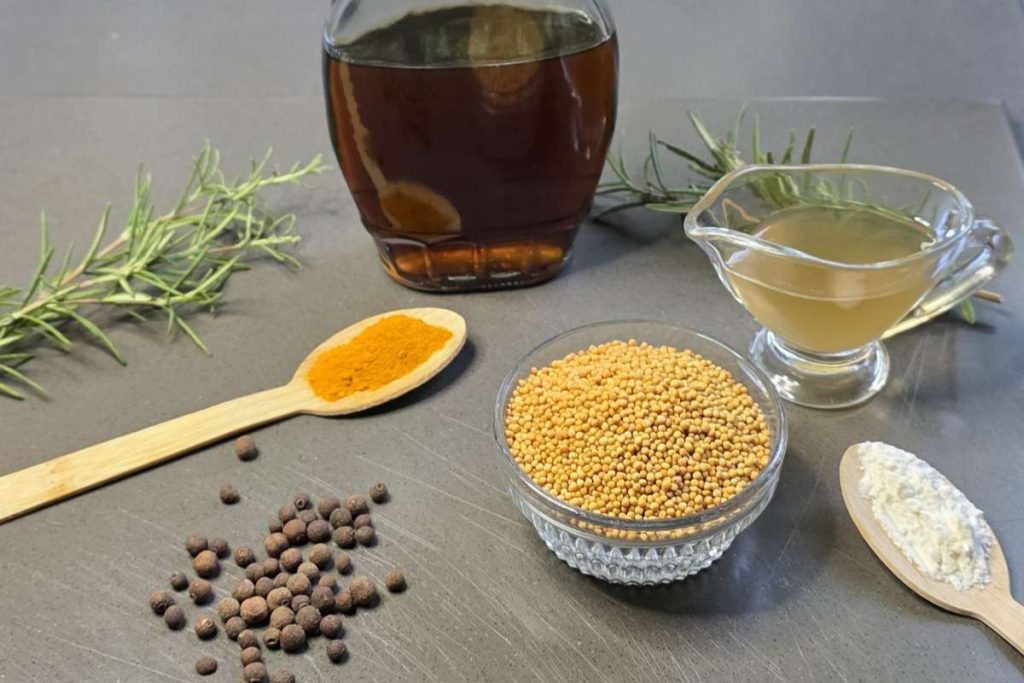
Make a cheesecloth sachet filled with the spices. Combine 3/4 cup water, vinegar and maple syrup in a small bowl. Mix flour, cornstarch, mustard, turmeric, salt and remaining water in another bowl until smooth. Capture 75% of the spicy compounds by waiting four minutes before gradually stirring in the vinegar mixture. Pour everything into a saucepan, add the spice bag and simmer over medium heat. Stir occasionally until mustard thickens.
Walnut mustard
1 cup yellow mustard seeds
1/2 cup apple vinegar
3/4 cup white wine
1/2 cup chopped toasted walnuts
1/4 cup cane sugar
2 teaspoons salt
1 teaspoon turmeric
Place the mustard seeds, vinegar and wine in a bowl. Cover overnight. Combine all ingredients in a food processor and puree until smooth. If the consistency is too thick, add a little water.
Cranberry mustard
3/4 cup honey Dijon mustard
2/3 cup whole cranberry sauce
1 teaspoon honey
1 tablespoon brown sugar
1 teaspoon fresh lemon juice
1/2 teaspoon ground ginger
Combine all ingredients in a small bowl and mix well.
Honey pumpkin mustard
1/2 cup avocado oil
2 tablespoons apple cider vinegar
1/4 cup stone-ground mustard
1/4 cup honey
1/2 teaspoon sea salt
2 tablespoons pumpkin puree
3/4 teaspoon pumpkin pie spice
Place all ingredients in a food processor and puree until smooth. If the consistency is too thick, add a little water.
Honey cinnamon mustard
3 tablespoons mayonnaise
1 teaspoon maple syrup
1 teaspoon Dijon mustard
¼ teaspoon ground cinnamon
Combine all ingredients in a small bowl and mix well.
Ginger curry mustard
1/4 cup basic yellow mustard
3 1/2 teaspoons sugar
1 tablespoon vinegar
3/4 teaspoon sweet curry powder
1/2 teaspoon ground ginger
1/4 teaspoon coarse black pepper
1/4 teaspoon onion powder
1/8 teaspoon garlic powder
Combine all ingredients in a small bowl and mix well.
Mustard consumption is growing in the U.S. primarily due to new artisanal flavors. Serving seasonal flavored mustards with everyday and holiday winter meals will muster up a delicious sense as to why more people should be enjoying them.
Daniel O’Donnell is the co-owner and operator of an organic landscape design/build
company in Fremont. Chrysalis-Gardens.com