

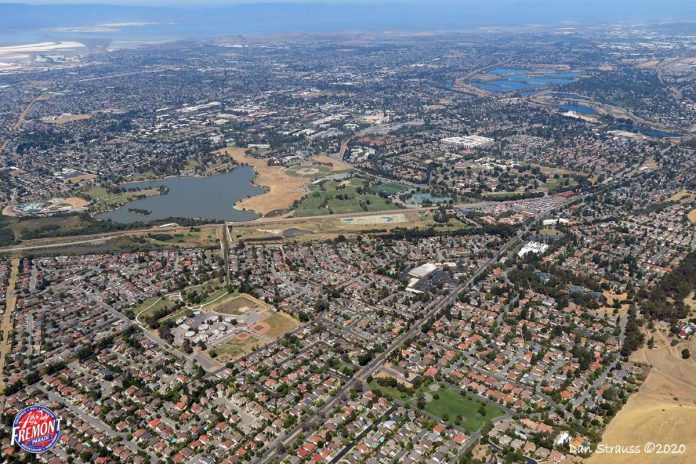
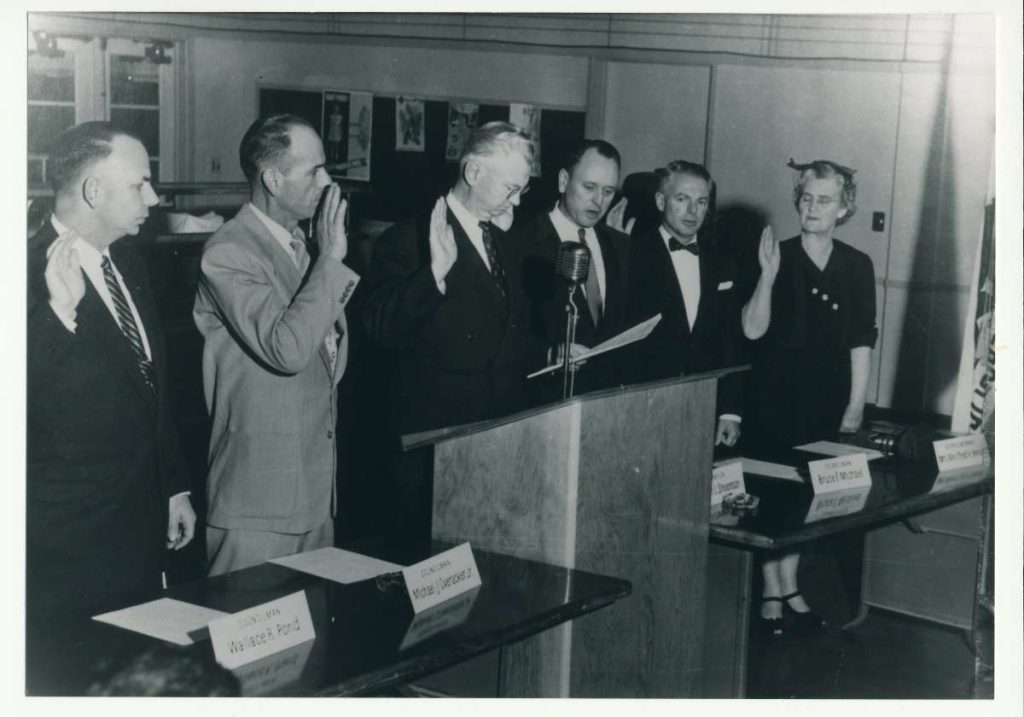
A lot can change in 70 years, but some things stay the same. On Jan. 23, 1956, five towns came together to become the city of Fremont. For the city’s platinum birthday, people will come together again to celebrate the city’s growth.
The Washington Township Museum of Local History, located near Old Mission San Jose, tells the story of Fremont through maps, historical photos and artifacts.
“When the city started to form, what we had were five little towns that each had a distinct character,” shares Barbara Baxter, docent and collections manager at the museum. “They were all different. And then they came together to become a city.”
The five towns are now Fremont’s districts: Centerville, Irvington, Niles, Mission San Jose and Warm Springs. At nearly 80 square miles, Fremont is the 12th largest city in California by acreage.
However, Fremont’s strength in size and diversity can also be a weakness when it comes to forming community bonds. People can stay within their own neighborhoods, because everything they need is right there, meaning Fremont has lacked a true downtown.
“I grew up in Centerville and we never left Centerville,” said Kelsey Camello, president of the Museum of Local History. “We went from one end of Centerville to the other to go from our house to church to school.”
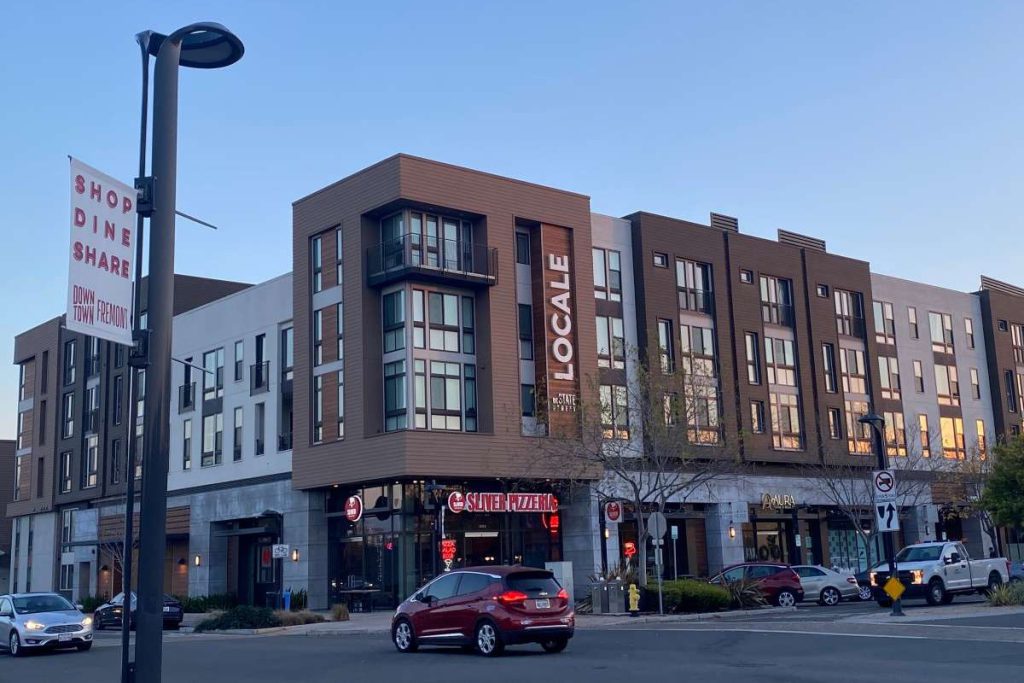
Since 2012, the city has been working to create a downtown intentionally, building up Capitol Avenue with shops and housing between the Fremont BART Station and the Hub shopping center. Fittingly, the city will hold its 70th birthday celebration at the Downtown Event Center Plaza on Friday, Jan. 23. The event—described as part reflection, part celebration and part “what’s next”—will include a program recognizing Fremont’s history and milestones, cultural performances reflecting Fremont’s diversity, community speakers and food trucks.
Baxter remembers how quickly the character of the city evolved once the five towns incorporated. “Things changed very fast. By the time I was 16 [around 1967] the high schools were being built. Irvington was built, Mission was built. We were starting to really take on all of those people that were moving here.”
Since the beginning, people have come from different states to make a home in Fremont. While the demographics have changed—with more East Asian, Indian and Afghani Fremonters—the city has kept that part of its identity.
“Fremont has always been a city that has been open to people coming from other places,” said Baxter. “As much as I get a little cranky about the crowdedness of Fremont now, I’m thrilled that we have people coming from other places and other cultures…[saying] ‘This is a really cool place to raise my family.’”
Courtesy of Washington Township Museum of Local History
Fremont’s current mayor, Raj Salwan, who has lived in Fremont for 45 years, shared, “When I was in school, I was one of the only Indian Americans—and one of the only Asian Americans—in my class. Back then, many people didn’t even associate the word ‘Indian’ with Indian American families; most people assumed ‘Indian’ meant Native American…Watching Fremont grow into the welcoming, global community it is today has been one of the most meaningful parts of living here.”
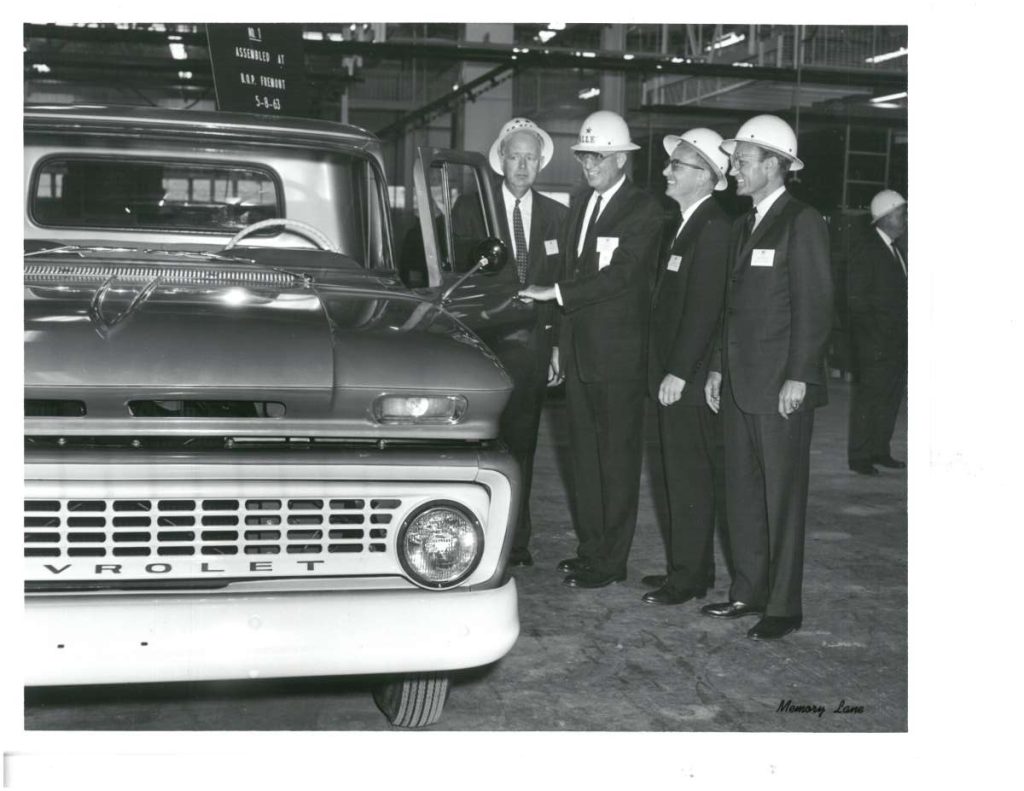
Another change Fremont has seen over the years is in industry. Now, Fremont is a tech city, best known as the home of Tesla. Before that, it was known for the auto industry, with the General Motors factory built in 1961. Before that, the region was known for agriculture, which can still be seen at Ardenwood Historic Farm and California Nursery Historical Park.
While suburbs have replaced fields and orchards, the city has been intentional about how it uses its space. From the start, the city council had a publicized general plan for where industry and housing would be. Later, preserving the hills as open space became part of the plan.
Unlike Hayward and Oakland where development continues up and up, Fremont is defined by its hills. Camello said, “When you are sitting anywhere in Fremont and you look up (or in Union City, or in Newark), it’s like ‘Wow.’ They’re striking. And I’m glad they’re not covered in buildings.”
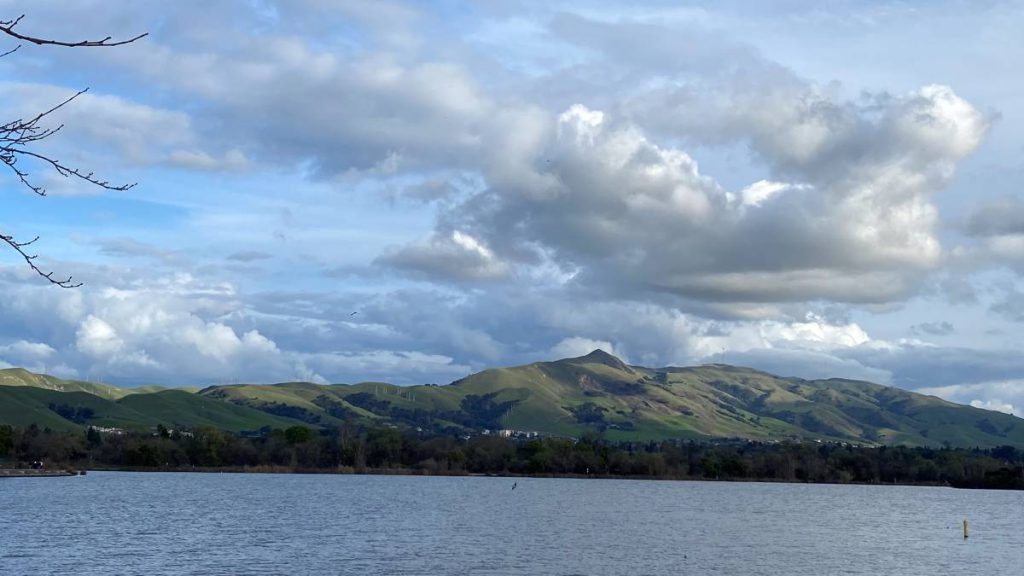
The city showed similar vision by turning swampland into the park locals now know as Lake Elizabeth. Marjory Begley, collections and exhibits coordinator, notes, “We laughed at the idea that they were making a park out of a swamp.” Baxter adds, “But in fact it is a big draw.” Now the playgrounds, walking paths, sports fields and picnic areas give much joy to locals.
While Fremont still gets branded a “commuter” or “bedroom” community, a better qualifier is “intentional” community. And that’s something to celebrate.
Fremont’s 70th Anniversary Celebration
Friday, Jan. 23
5 – 7pm
Downtown Event Center and Plaza
3500 Capitol Ave., Fremont