

Many popular beverages, foods and condiments started as mistakes. Guinness stout was created by an Irish brewer who accidentally burnt unmalted barley. Today, 1.8 billion pints are sold annually across 120 counties. Cheese Puffs were invented when corn products were fed through an animal feed grinder and employees used water to unclog the machine. The moisture and the heat from the machinery created corn puffs. An astute employee recognized the potential and added cheese and spices to create the popular orange snack.
Worcestershire sauce is another culinary mistake that is popular globally and has significant international variations.
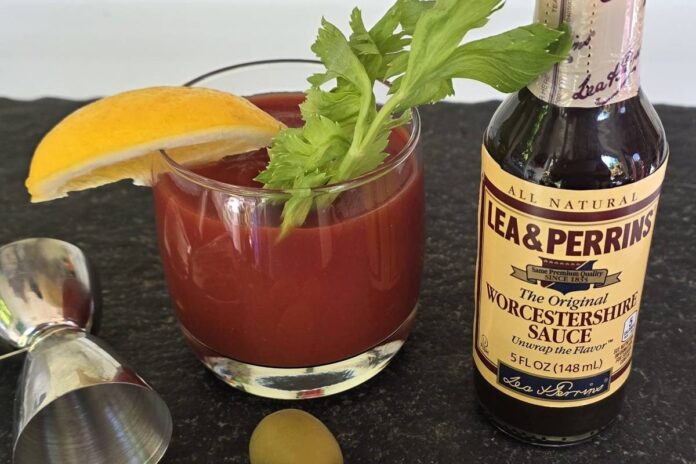
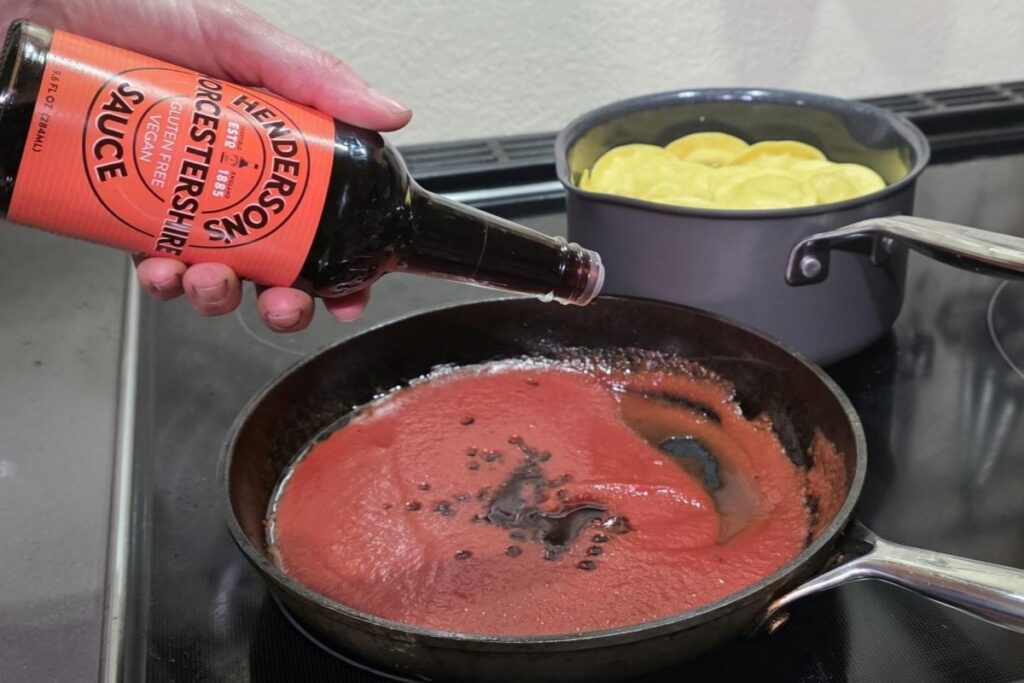
Worcestershire sauce is a flavorful fermented sauce used as a condiment on steaks, hamburgers, sandwiches, quiches, frittatas, chili, potato dishes and other casseroles. It is also used to flavor stews, soups, baked beans, gravies, Caesar salad dressing, pasta sauces, BBQ sauces and is included in many bloody mary recipes.
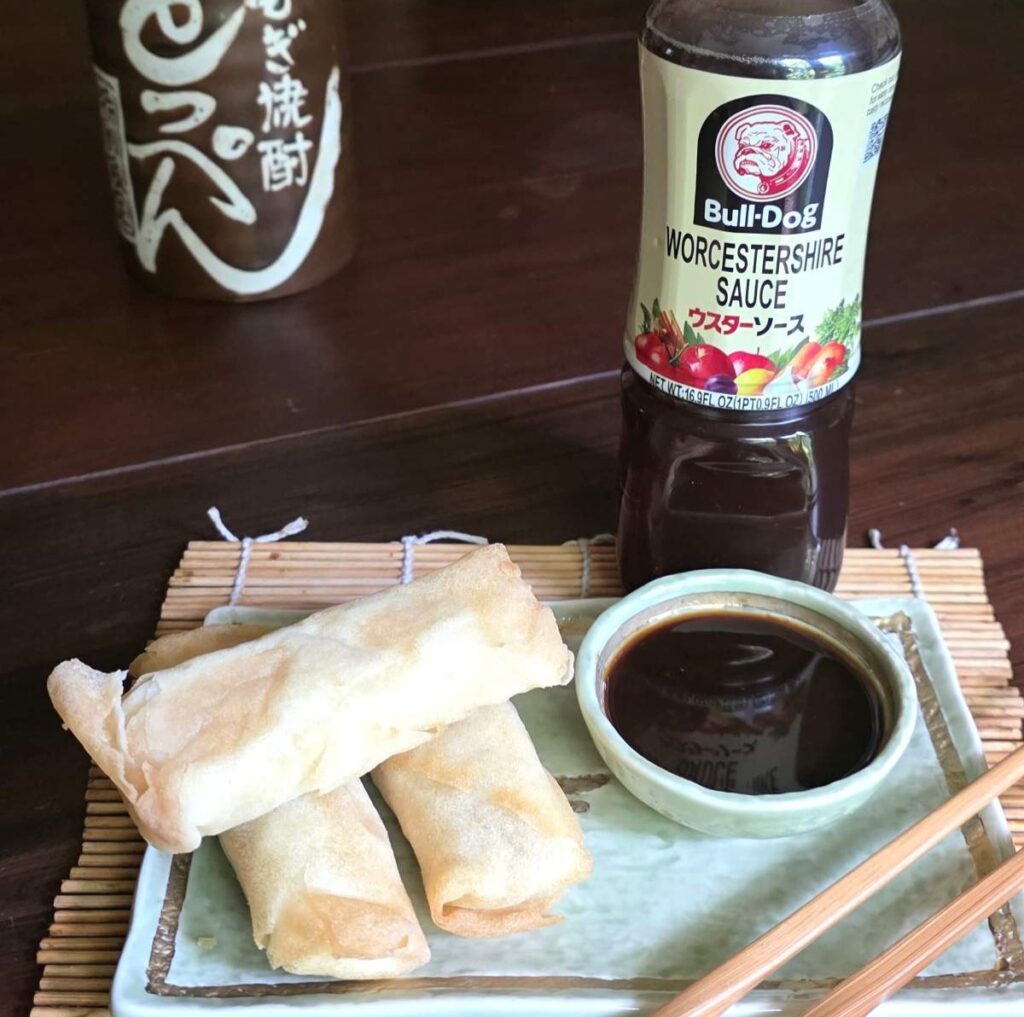
It is used as a condiment in Mexico, Central America, Venezuela and Brazil in conjunction with hot sauce on tacos, burritos, beef, pork or chicken sandwiches, shrimp or fish ceviches. It is drizzled over egg rolls, potstickers, savory pancakes, ramen soups, stir-fried noodle and rice dishes and used as a dipping sauce for dim sum in many Asian countries.
Kasundi is a popular Bengali mustard dipping sauce made from fermented mustard seeds. Recipes vary but commonly include ginger, turmeric, coriander, cumin and other spices, chili peppers, white vinegar and mango. It has a bold tangy flavor and aromatic fragrance. And it is the predecessor to and inspiration for what would become Worcestershire sauce, created in Worchester, England.
A local nobleman in 1835 commissioned two local chemists, John Lea and William Perrins, in Worcester to reproduce a recipe for Kasundi. Lea and Perrins followed the instructions and delivered the order, but it tasted terrible. They placed their failed concoction in a cellar. Almost two years later, they stumbled on the sealed container. This was enough time for the mixture to ferment into a bold blend of tanginess and sweetness. They began selling their Worcestershire sauce commercially in medicine shaped bottles in 1837.
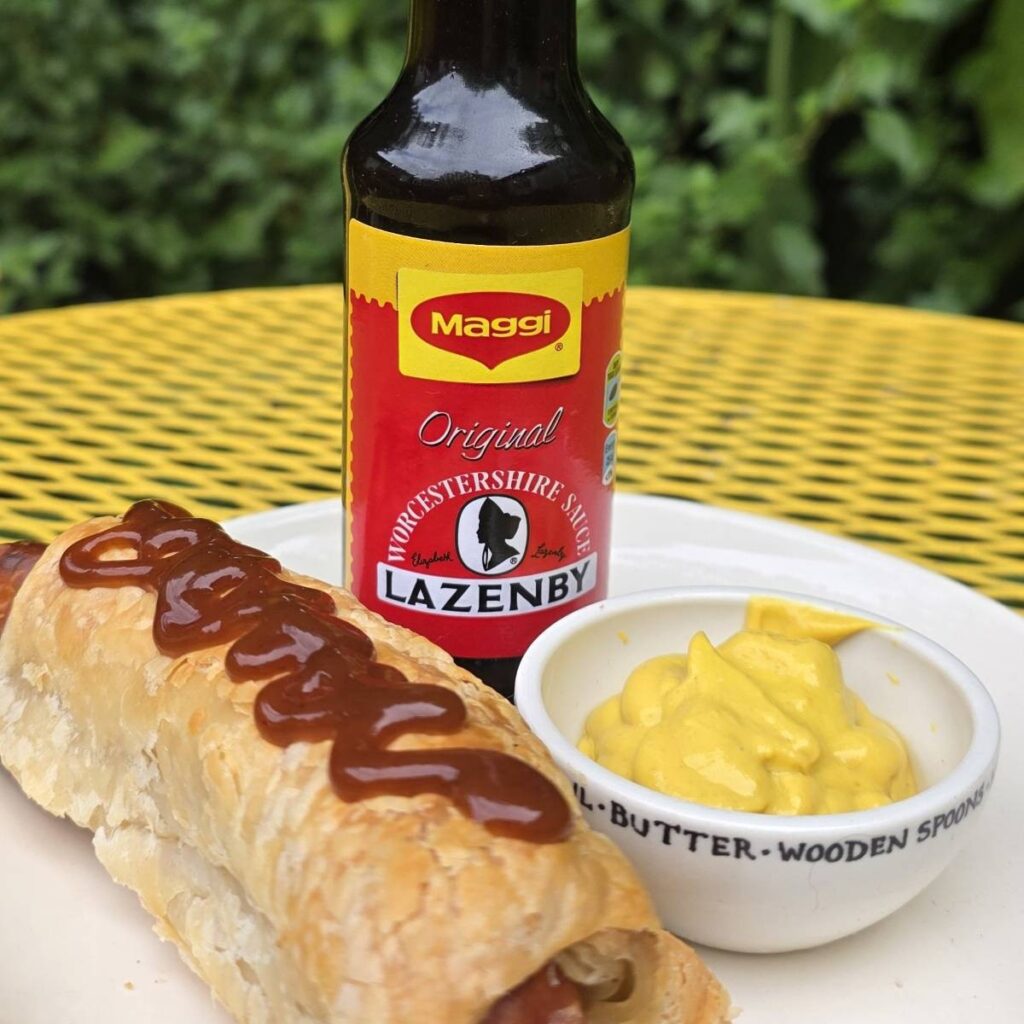
Worcestershire sauce was an immediate success and inspired many others to manufacture competing brands. An English court ruled in 1876 that the name Worcestershire sauce could not be owned by Lea and Perrins. However, they were allowed to trademark “The ORIGINAL and GENUINE” on their bottles. Today, Lea and Perrins Worcestershire sauce is one of the most popular global bands. However, many countries around the world have domestic brands with unique adaptations of the original English sauce.
Below are some of the characteristics of Worcestershire sauces in different countries:
English Worcestershire sauces typically contain anchovies. They use malt vinegar which provides a deep, rich and mild flavor. This version is common in Canada, Australia and New Zealand, although some Canadian brands are perceived to be less spicy.
American Worcestershire sauces contain anchovies but use white vinegar, which is sharp and pungent. They contain roughly three times more sugar and are significantly higher in sodium.
South African Worcestershire sauces tend to use spirit vinegar which is pungent and sharp. They tend to be slightly thicker and more aromatic, featuring stronger notes of cloves, ginger and molasses.
German Worcestershire sauces are sweeter, less salty and contain less anchovy. They may use a combination of malt and spirit vinegars. They may also incorporate mango chutney, tomato paste, mushroom extract and soy sauce.
Portuguese and Brazilian Worcestershire sauces tend to have few ingredients although some brands incorporate caramel into the recipe for sweetness. They typically have a much shorter fermentation process, which gives them a lighter and less complex flavor profile.
sweeter. One of the main differences is in the usage. Many restaurants in these countries have Worcestershire sauce, or Salsa Inglesia, on tables as a primary condiment. El Salvador has the highest Worcestershire sauce consumption per capita in the world.
Japanese Worcestershire sauces typically use sardines instead of anchovies, which gives them a slightly fishier taste. They have a lighter, sweeter taste overall because recipes tend to use rice or apple cider vinegar and vegetable/fruit bases made from tomatoes, onions, carrots, prunes and apples.
Chinese Worcestershire sauces tend to omit fish and rely on soy for fermentation. Spices may include licorice, star anise, cinnamon and hot peppers. Soy sauce and a sticky rice-based vinegar give them their tang.
Many people, understandably, find it hard to pronounce Worcestershire correctly. However, given the wide range of different styles, you might find it harder to choose which kind to enjoy.
Daniel O’Donnell is the co-owner and operator of an organic landscape design/build company in Fremont. Chrysalis-Gardens.com