
By 1994 the collections of two historical societies, Mission Peak Heritage Foundation and Washington Township Historical Society, had grown so large as to deserve a permanent place. This place would be used both for the display of historical artifacts and the preservation of their thousands of documents and photographs.
Opened in 1996, the Washington Township Museum of Local History admirably fulfills that purpose as it tells the stories of the people and events shaping the Tri-City area of Fremont, Newark and Union City.
The museum occupies the former Fire Station #4 at the corner of Anza and Ellsworth Street, one block from Ohlone College. Opened in 1954, the building was first home to the Mission Peak Volunteer Fire Department, then, to the Fremont Fire Department after incorporation. After firefighters moved to the new station in 1990, the building sat empty until 1992 when Fremont offered it to the two historical societies for $1 per year.
Visitors can drop in on Wednesdays, Fridays and three weekends per month, either to explore the museum, get a guided tour or research in the archive. There are also tours of Rancho Higuera Historical Park and many guided historical walks through Irvington, Mission San Jose, Niles, Centerville and more.
The Higuera Adobe is one of the last remaining buildings in Washington Township from the Spanish-Mexican area and was built between 1830 and 1840. Every year, 30 to 50 groups of fourth-graders learn California history on the tours that include activities such as making adobe bricks and hand-dipped candles.
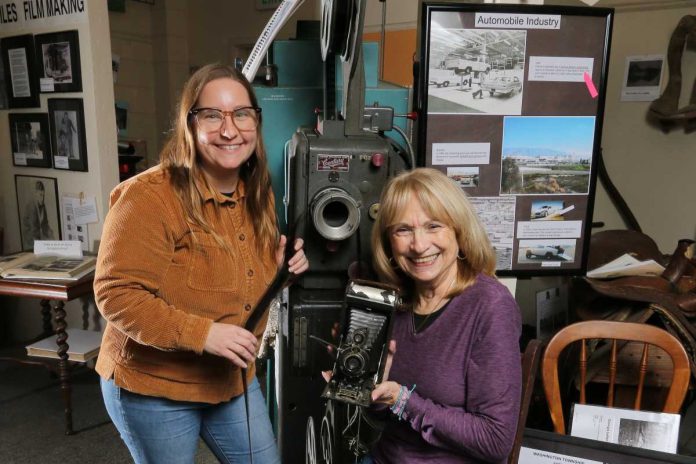
“We’re here to help people research history,” says Kelsey Camello, president of the board of directors.
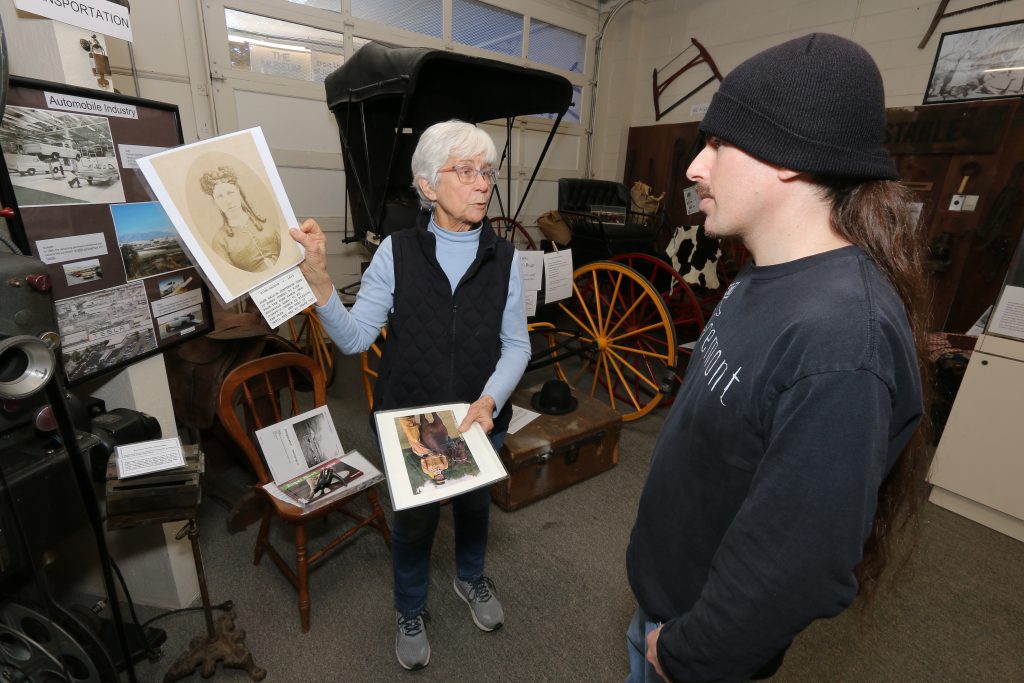
The archives of the museum include a huge collection of photographs, documents, maps, household objects, paleontological finds, clothing, furniture, an early piano, horse-drawn buggies and much more. Researchers who wish to examine the museum resources will always find knowledgeable staff on hand to assist.
Much of the mission of the museum is to excite the current generation of schoolchildren, not just about local history, but history in general, and photographs are some of the most important tools for teaching it. “Spark their imaginations and you generate interest,” says board member Barbara Baxter.
Camello relates to how excited kids are when they see for themselves the difference between the past and the present. “They really want to know more.”
One of the museum’s most valued recent acquisitions is a box of photos donated by Fremont Chamber of Commerce, culled from its files during its recent relocation. The high-quality, mostly black-and-white images show celebrated individuals, parades, pageants, business openings, ground breakings, real estate developments and more. Together they form an incredible resource documenting the growth and progress of the Tri-City area over the past 60 years.
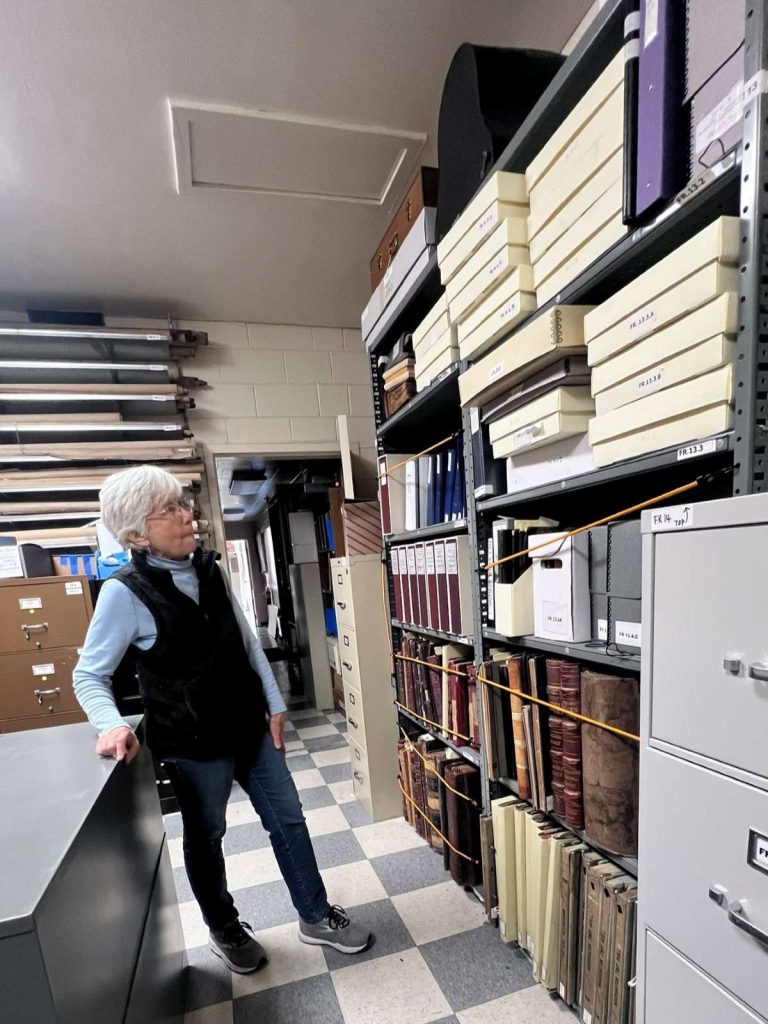
More than a source of intriguing narratives, the museum’s archives also aid in more practical pursuits. “The most common reason for people to visit our archives is for property research,” says Camello. “They’re remodeling or they’re a developer, or the city has hired them to do a report. Of course, many people come looking for pictures of their relatives and old family homes.”
The records are not always complete, but “if we really put our minds to it, we can usually find something,” says Camello.
“The further back one goes, the more gaps there are,” says Baxter. “Some of the items we have are here by sheer happenstance. For no apparent reason, something ends up in an attic and eventually gets donated. Like an Assessor’s Record from 1910. Who decided to keep that?”
Some of the resources are the result of years of work by individuals. Philip Holmes (1924-2018), a transplant to the Fremont area, was an educator and author who spent 30 years pursuing his personal interest in the people and events of the Tri-City area, writing hundreds of articles and co-authoring several books. He kept extensive notes on his studies, and those documents are today one of the first places staff recommend to people looking to research the area.
Another individual was Dr. Robert Fisher. His many albums, now in the museum archives, contain hundreds of annotated photographs of historic places, painting a marvelously cohesive and extensive picture of the area’s growth since the mid-19th century.
The museum welcomes new members and is always happy to find places for volunteers. “We’re a really nice group of people,” says Camello. “We have a lot of energy, and we love new people coming in. If you’re someone who is interested in history, just come in and we’ll find a way to fit you in. And if you have any kind of question, no matter how small, we’re here to serve the community.”
For more information, or to begin your own research project, visit the museum’s extensive online resources at museumoflocalhistory.org.
Washington Township Museum of Local History
190 Anza St., Fremont
Open Wed and Fri, 10am – 4pm (plus some weekends)
510.623.7907
museumoflocalhistory.org
Free for self-guided visit
$2 per person ($5 per family) for docent-led tours